Ecology Radio Debuts! The Ocean Doctor Interviews Dr. Sylvia A. Earle

Ecology Global NetworkIt’s new and it’s now LIVE! Ecology Radio is a new, hour-long Internet radio  magazine featuring the latest, cutting-edge environmental topics. Each month, Dr. David E. Guggenheim, host of  The Ocean Doctor Radio Show show, brings an ocean-related segment to Ecology Radio, debuting with a very special guest: “Her Deepness,” Dr. Sylvia A. Earle.

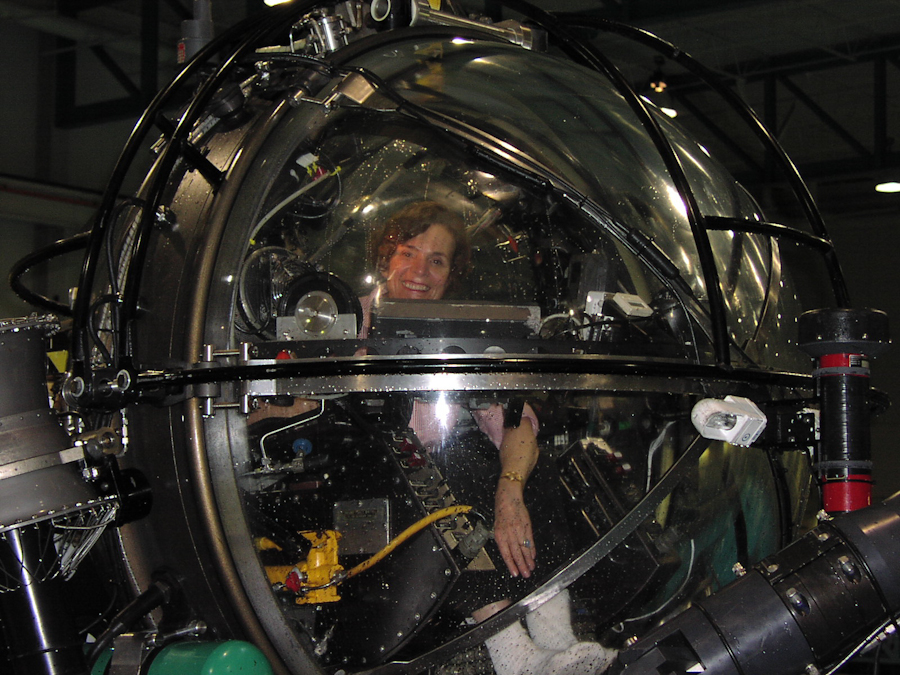
Dr. Sylvia A. Earle at the helm of the Deep Rover submersible (Photo: David E. Guggenheim)

Dr. Sylvia A. Earle at the helm of the Deep Rover submersible (Photo: David E. Guggenheim)

Ecology Radio is a service of the ECOLOGY Global Network™, a service of ecology.com, the nexus of the Worldwide Web, international television, international radio and personal data delivery systems regarding all facets of ecology and the environment… all delivered on ecology.com with plans to expand to other media delivery platforms.

The ECOLOGY Global Network™  mission is to use the modern tools of information and communication to inform, educate and inspire the global community to respect, restore and protect our natural and human world, and to encourage all people to become stewards of the environment in which we live.

 Ecology Radio


Ecology Global Network

Share

A Fragile Empire: National Geographic Examines Threats to Australia’s Great Barrier Reef

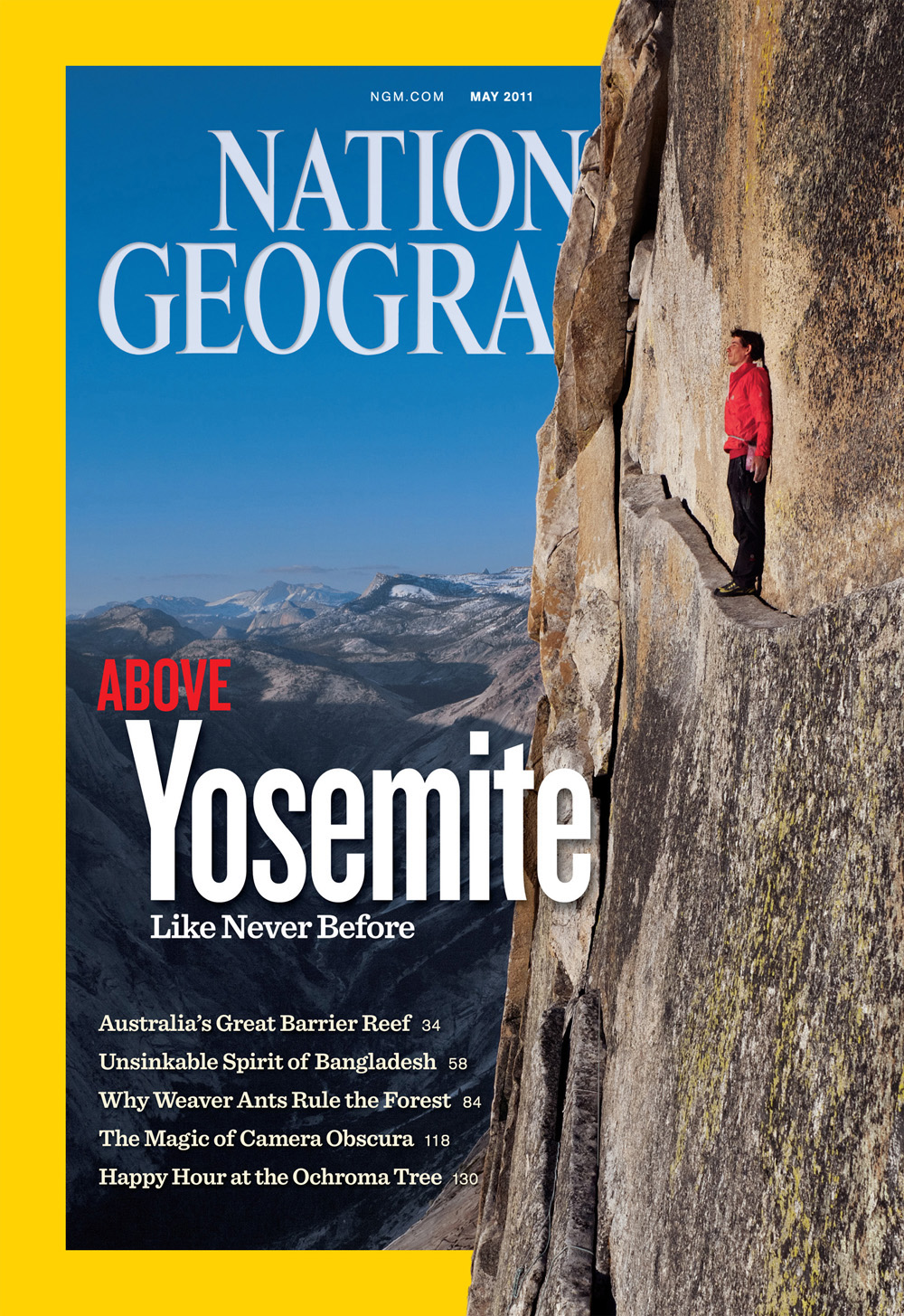
"A Fragile Empire" can be found in the May 2011 issue of National Geographic magazine on newstands April 26

"A Fragile Empire" can be found in the May 2011 issue of National Geographic magazine on newsstands April 26 (Photo: National Geographic)

Earlier this year, World Resources Institute released its “Reefs at Risk Revisited Report” (featured on The Ocean Doctor Radio Show) which spelled out a rather grim future for coral reefs due to both local and global threats, should we fail to take action. One of the bright spots in its report was Australia’s Great Barrier Reef, which has fared better than many other reefs around the world and has in place strong protections and management practices. But even this massive and remote reef system isn’t immune from the impacts affecting coral reefs worldwide. In “A Fragile Empire” National Geographic Magazine (May 2011) writer Jennifer S. Holland explores the various factors that are threatening Australia’s monumental reef. From rising water temperatures, to bleaching, massive flooding and high levels of acidity, the reef is in danger of collapsing and the prospect for recovery is uncertain.

A warming climate is pushing corals against the upper limit of their thermal tolerance, evidenced by mass bleachings like the one in 1997-98. A 60-year decline in ocean phytoplankton—microscopic organisms that form the base of the food chain — may also be playing a role. Recent flooding in Australia washed enormous plumes of sediments and toxins far offshore to the reef tract. And now, thanks to increasing carbon dioxide levels in the atmosphere, the oceans are becoming more and more acidic as more of this atmospheric carbon dioxide dissolves in seawater. As the oceans become more acid, limiting the ability of organisms, like corals and shellfish, to build their limestone shells and skeletons.

[Read more...]

Share

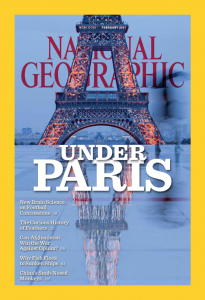
Artificial Reefs: National Geographic Shows Us the Beauty, the Science & the Controversy

"From Relics to Reefs" can be found in the February 2011 issue of National Geographic magazine, on newsstands January 25, 2011

"From Relics to Reefs" can be found in the February 2011 issue of National Geographic magazine, on newsstands January 25, 2011

They’re favorites among divers and fishermen, they’re teeming with life, and they’re heralded as a way to rebuild dwindling fish populations. They’re also controversial. With the breathtaking imagery of renowned National Geographic photographer David Doubilet, the February 2011 issue of National Geographic Magazine brings us deep into the heart of the artificial reefs  found throughout our ocean waters. [Read more...]

Share

1planet1ocean is out. Ocean Doctor is in.

1planet1ocean is out. Ocean Doctor is in.

1planet1ocean is out. Ocean Doctor is in.

1planet1ocean is out. Ocean Doctor is in. The reason? When my daughter came up with, “Ocean Doctor,” it was clever, catchy and immediately caught on as my moniker and even as the name of my radio show. 1planet1ocean – a project of The Ocean Foundation, served us well since 2004, but in a frenzy of New Year cleansing and simplifying,  I felt it best to let go of the old and embrace the new. [Read more...]

Share

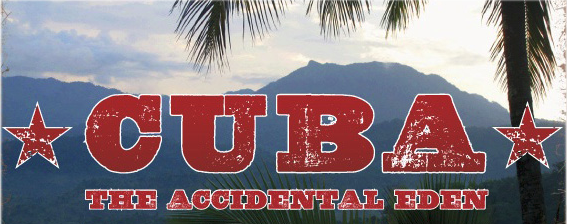
PBS “Nature” 2010-11 Premiere Features The Ocean Foundation’s Bretos and Guggenheim in Cuba

CCuba: The Accidental Eden features The Ocean Foundation's Fernando M. Bretos and David E. Guggenheim

Cuba: The Accidental Eden features The Ocean Foundation's Fernando M. Bretos and David E. Guggenheim

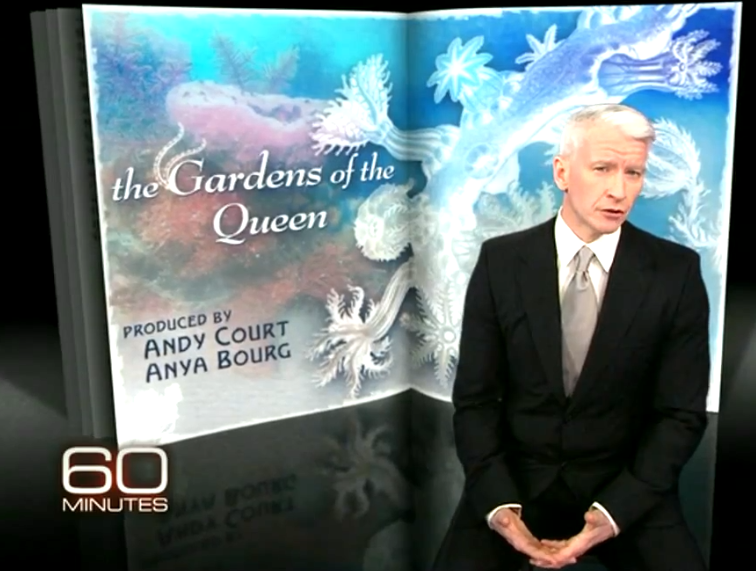
With the episode, “Cuba: The Accidental Eden,” the 2010-11 season premiere of the acclaimed PBS series, “Nature” features The Ocean Foundation’s own Fernando M. Bretos and David E. Guggenheim, along with other Cuban and American colleagues. Bretos and Guggenheim have worked together in Cuba for more than a decade and head up The Ocean Foundation’s “Cuba Marine Research and Conservation Program. ” Their work includes joint research expeditions in Cuba’s Gulf of Mexico waters and a major sea turtle conservation project with the University of Havana’s Center for Marine Research (Centro de Investigaciones Marinas). The episode can be viewed in its entirety online (see below) and is now available on DVD and Blu-ray disc.

[Read more...]

Share

Leading Ocean Scientists Issue Consensus Statement to End Dispersant Use in Gulf

Chemical dispersants being released near Houma, Louisiana in the Gulf of Mexico (USCG photo)

Chemical dispersants being released near Houma, Louisiana in the Gulf of Mexico (USCG photo)

Leading ocean researchers and conservation leaders have issued a joint Consensus Statement calling for the immediate halt of the use of chemical dispersants in the Gulf of Mexico. BP has used nearly two million gallons of Corexit chemical dispersants in the Gulf of Mexico as part of the cleanup effort with support from the U.S. Environmental Protection Agency (EPA). The massive volume of dispersants and the way they have been applied—both on the surface and one mile below the surface —is unprecedented. Once oil is dispersed in deep water, it cannot be recovered. [Read more...]

Share

Gulf Spill: MSNBC Appearance by Dr. David E. Guggenheim, the "Ocean Doctor"

President of 1planet1ocean, Dr. David Guggenheim, the “Ocean Doctor,” appeared on MSNBC‘s Dayside with Alex Witt on June 6, 2010 to discuss the impacts of the BP Deepwater Horizon oil spill disaster in the Gulf of Mexico:

Share

Cuba Could Be Impacted by Gulf Oil Spill

Cuba's Northwestern Coast Along the Gulf of Mexico

For the most up-to-date information on the BP Deepwater Horizon oil spill’s potential impacts on Cuba, please visit our special “Cuba at Risk” page.

Since its discovery of oil and natural gas reserves in the Florida straits, Cuba’s preparations for full-scale offshore oil and gas development has raised alarm in the United States, particularly in Florida where it is estimated that much of a catastrophic spill originating in Cuba would be swept by Gulf currents.  Ironically, it is now Cuba that faces the threat of a massive oil spill by the United States. The disastrous oil spill from the BP Deepwater Horizon now threatens Cuba, the largest and most biologically diverse island in the Caribbean, due to those same Gulf currents. To make matters worse, the economic embargo imposed upon Cuba by the United States decades ago makes collaboration and coordination exceedingly difficult during this crisis. [Read more...]

Share

Acid Oceans: The Gravest and Most Immediate Planetary Threat Yet?

Ocean acidification may present one of the gravest threats to our planet’s ecosystems and yet it is also one of the least publicized aspects of the global climate change issue. Acidification is occurring very rapidly, causing unprecedented changes to the chemistry of the oceans. It’s been estimated that roughly half of human-produced CO2 emissions over the past two centuries (since the beginning of the industrial age) have been absorbed by the oceans, leading to a drop in ocean surface pH of nearly 0.1 units (on the logarithmic pH scale).

Coral Reef in Timor (Photo courtesy of Nick Hobgood)

Coral Reef in Timor (Photo courtesy of Nick Hobgood)

[Read more...]

Share

Google Earth 5.0 – Now With Genuine Ocean!

The ExpeditionCasts podcast is back! The series returns with the video version of the Ocean Doctor’s popular blog post, "Attacked by the Giant Squid’s Cousins." (You can access the video version below.) That’s big news. But the GINORMOUS news is that ExpeditionCasts returns along with a new version of Google Earth. Version 5.0 of Google Earth allows you to explore the other 70 percent of the planet — the world’s oceans — and access

stunning underwater video content from around the world. 1planet1ocean has been privileged to be a contributor to this enormous, er, GINORMOUS project, and you’ll find five ExpeditionCasts videos among the others Google Earth 5.0. Look for them in Alaska’s Bering Sea and off the northwestern coast of Cuba.

[Read more...]

Share