 Cuba Conservancy, an Ocean Doctor program, is built on more than 20 years of work of Ocean Doctor president, Dr. David E. Guggenheim who directs the program. At the core of Cuba Conservancy’s mission is to establish sustained collaboration between Cuba and the U.S. to:
- ensure enduring, locally-supported marine research and conservation programs in Cuba.
- contribute to major advances in the scientific understanding of Cuba’s natural resources.
- achieve meaningful, long-lasting conservation for Cuba’s marine ecosystems and shared ecosystems of the Gulf of Mexico and Caribbean.
- develop long-term policies and solutions to environmental challenges in Cuba that support both the natural environment and local communities.
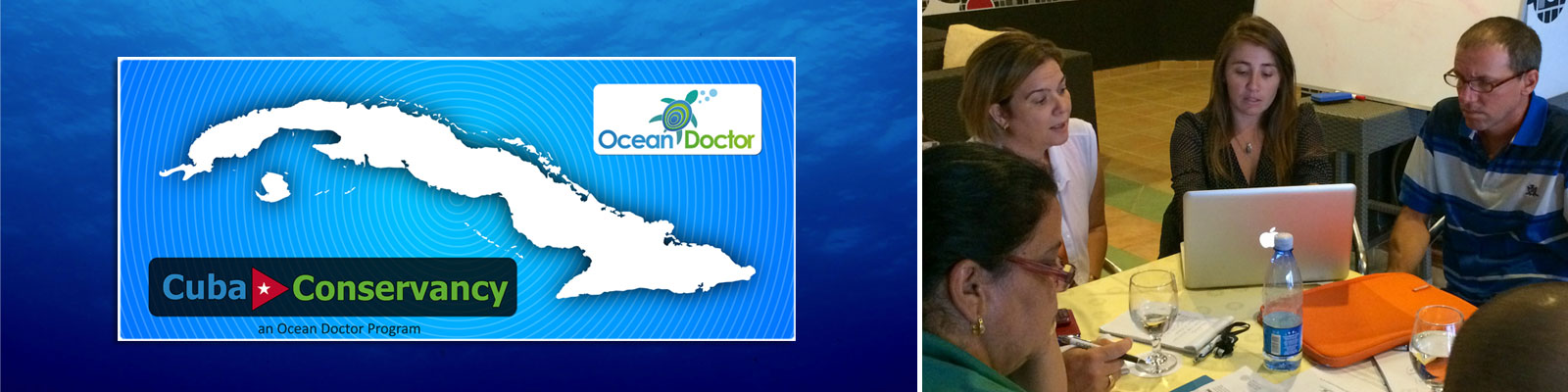
- advance collaboration between U.S. and Cuban governmental agencies in marine science and conservation
- forge long-term collaborative relationships with our Cuban colleagues.
- help train the next generation of Cuban marine scientists.
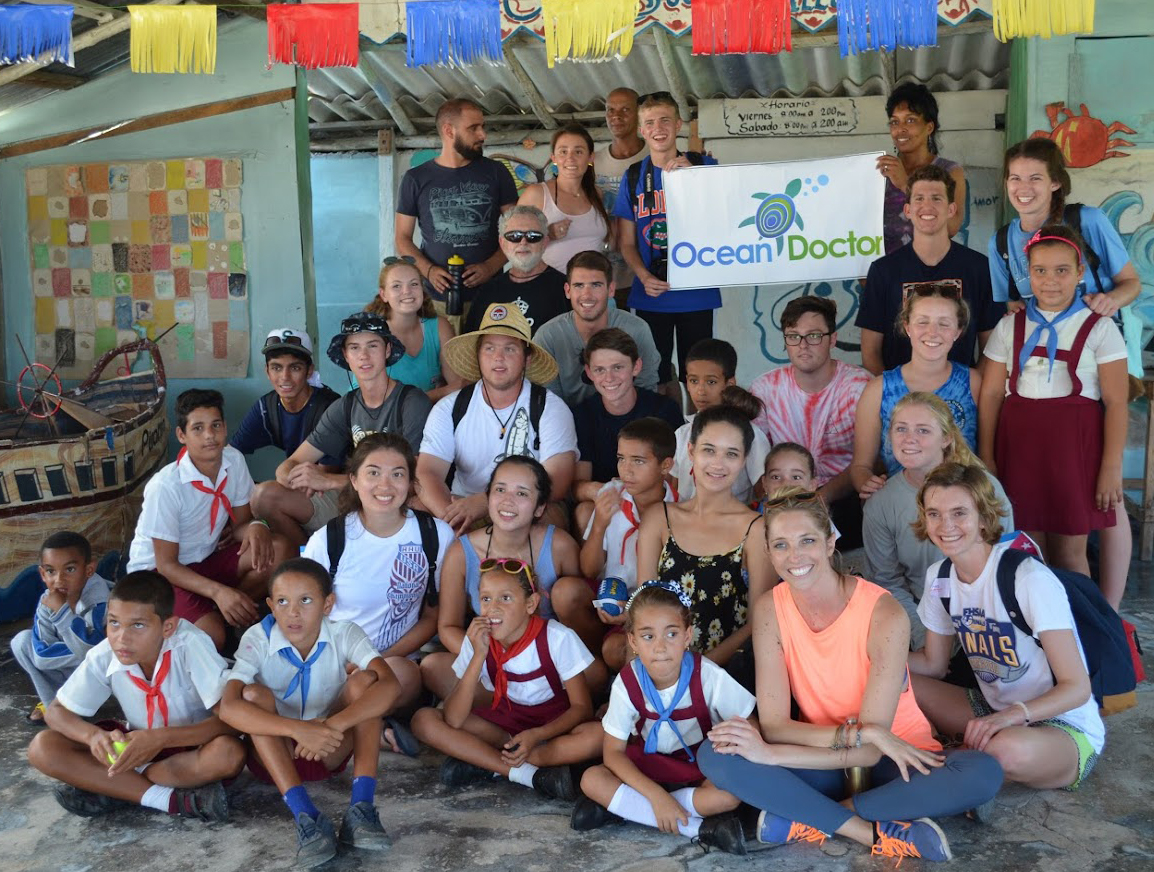
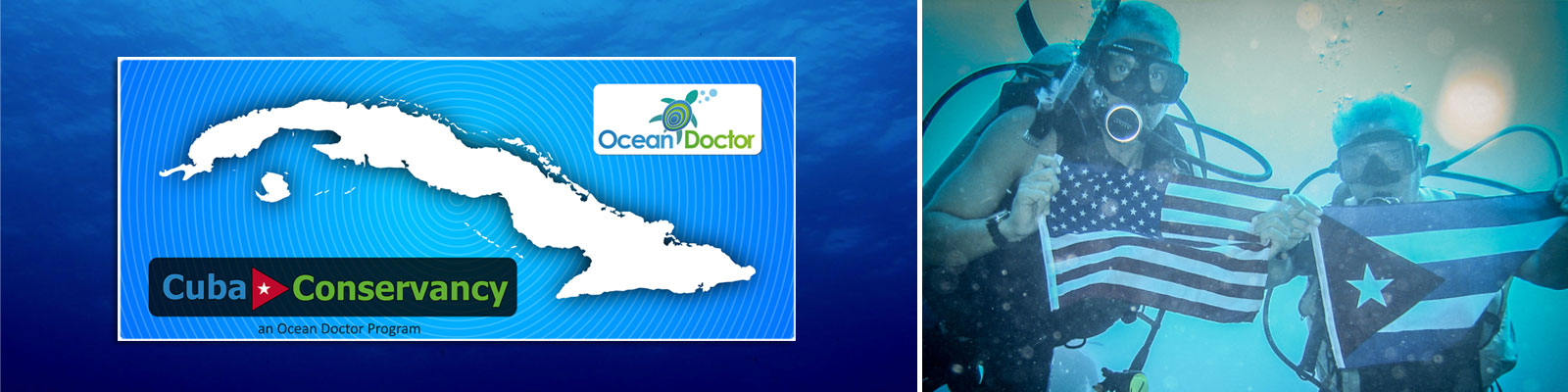
- foster a meaningful dialogue between Cubans and Americans through people-to-people education programs focused on marine conservation.
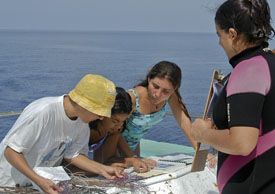
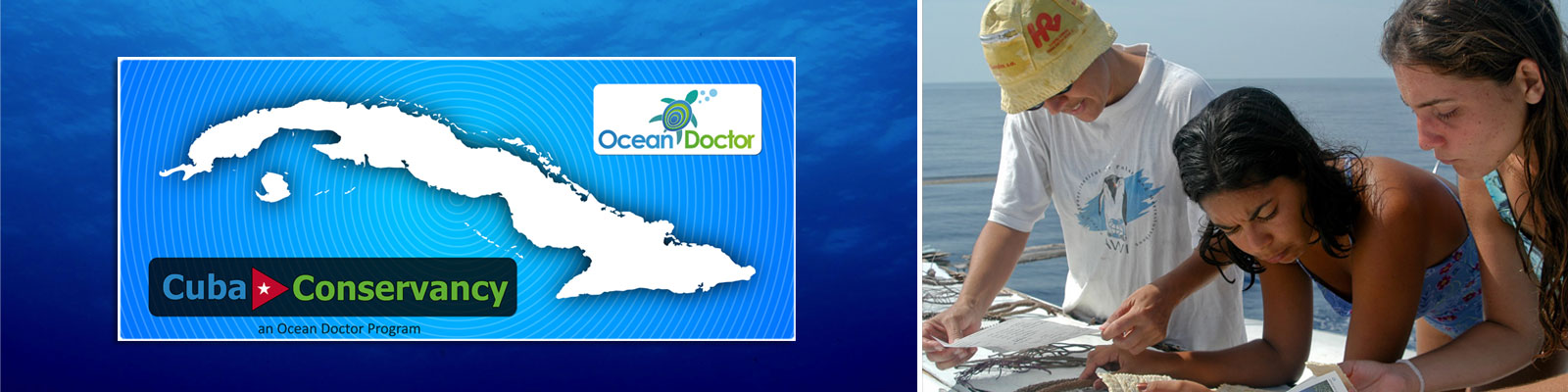
Training the Next Generation of Marine Scientists: Our joint research is serving as the basis of Master’s and Doctoral research for dozens of students at University of Havana’s Center for Marine Research, the only institution in Cuba where marine scientists are accredited
The Program builds upon a strong foundation of scientific research, which has served to advance science and conservation policy while forging strong, long-term collaborative relationships. Our work in Cuba has resulted in enduring partnerships, publication of dozens of papers in the peer-reviewed scientific literature, meaningful advances in scientific understanding of Cuban marine ecosystems and advancement of the careers of Cuban scientists and other professionals. Dr. Guggenheim led the development of the Trinational Initiative for Research and Conservation in the Gulf of Mexico and Western Caribbean which has succeeded in fostering enhanced collaboration among Cuba, Mexico and the U.S. Our work has gained national attention, through 60 MINUTES, NPR, the New York Times, and PBS and has helped engender a different, more positive perspective of Cuban-American relations to the public.
Collaborative Research in the Waters We Share
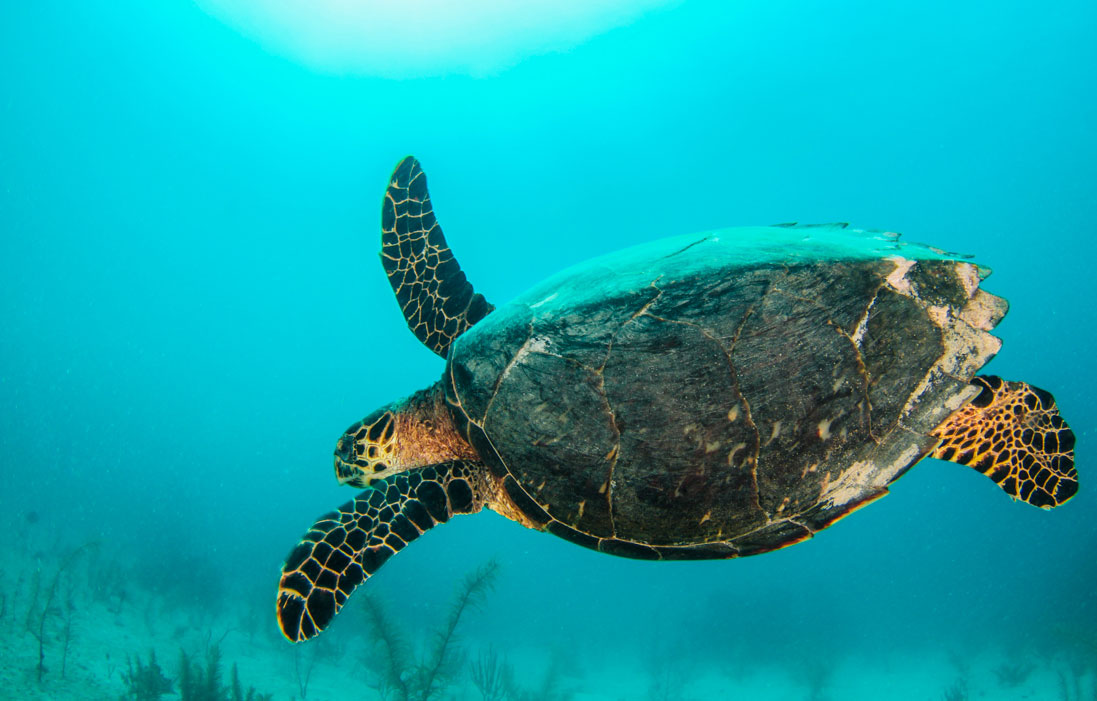
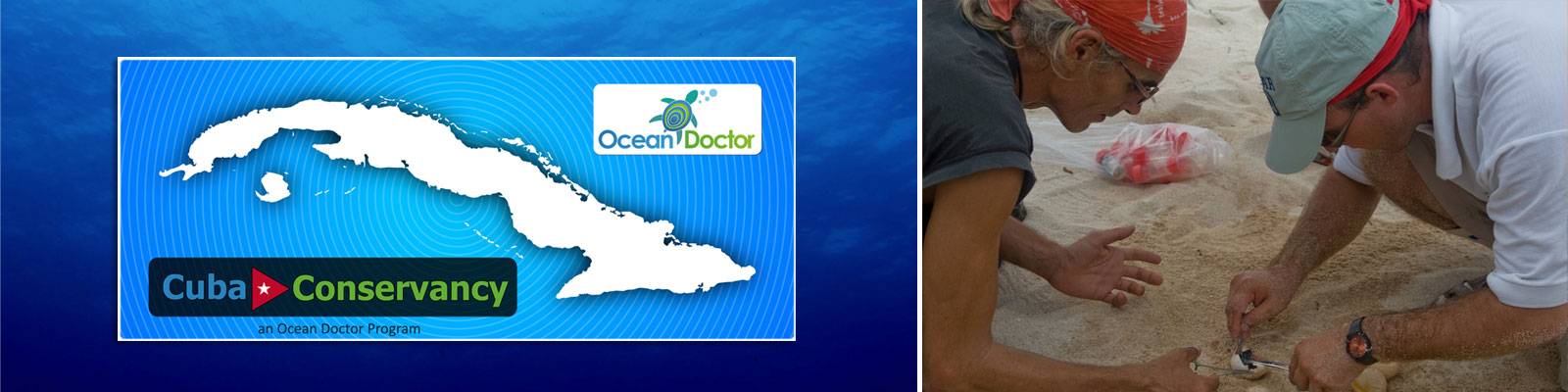
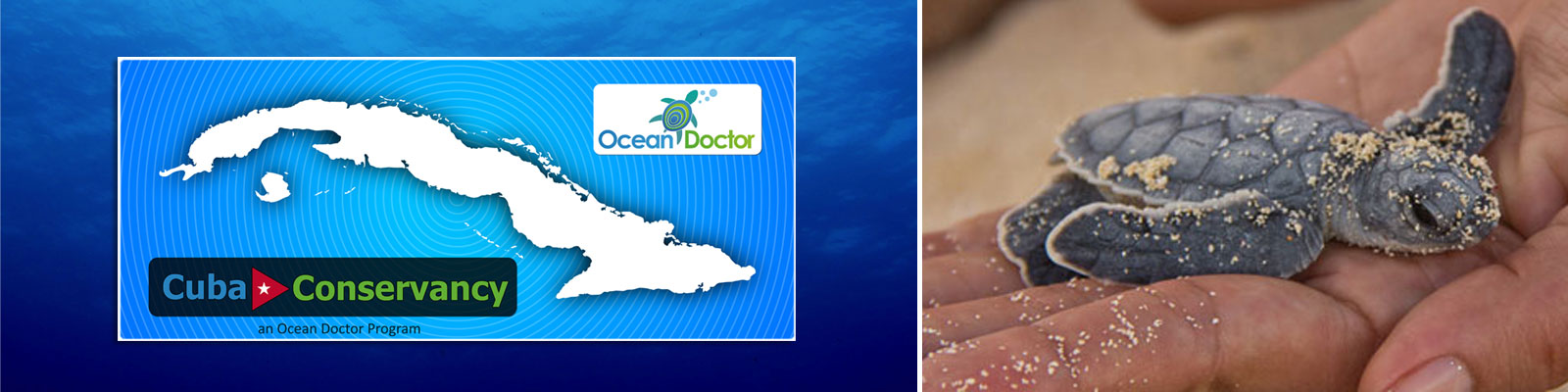
Protecting many species of sea life, including endangered sea turtles, means working across borders as these species regularly cross the borders of many countries, including Cuba and the United States. (Photo: Noel López)
For more than two decades we have worked closely with our Cuban colleagues on a range of research projects focused on the shared waters between Cuba and the United States. Our work has led to the publication of dozens of peer-reviewed scientific papers and has helped advance conservation efforts in Cuba. Our work has helped train the next generation of Cuban scientists, supporting the Master’s and Doctoral theses of dozens of students at the University of Havana’s Center for Marine Research/Centro de Investigaciones Marinas (CIM), the only institution in Cuba where marine scientists are accredited.
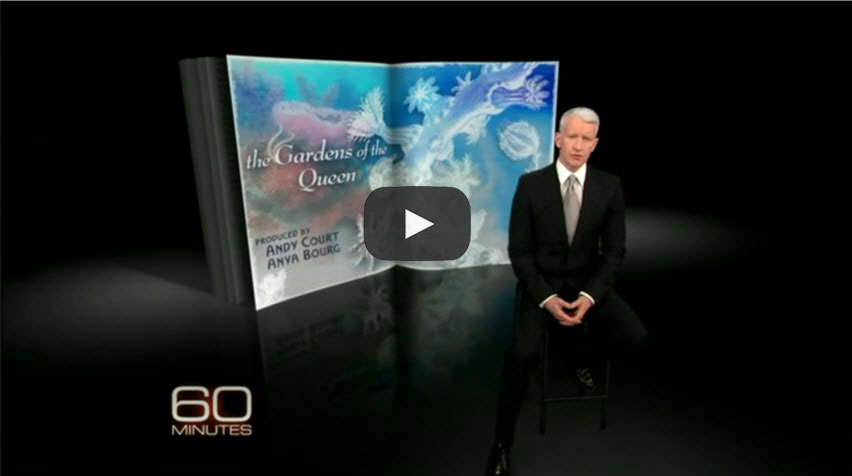
 Our work in Cuba’s “Gardens of the Queen” was featured on an award-winning segment of the CBS news program,
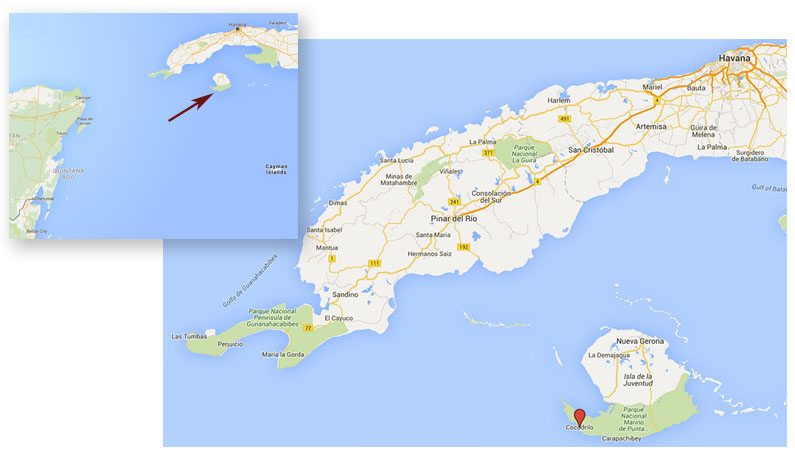
 This project puts the latest environmental economics tools to work in Cuba’s natural ecosystems to develop a better understanding of the value that protecting natural ecosystems can offer Cuba’s economy, an effort that will help inform better decisionmaking. The project focuses on Cuba’s Canarreos Archipelago, which lies off of Cuba’s southwestern coast and includes the Isle of Youth, Cuba’s (Isla de la Juventud), the seventh largest island in the Caribbean (Figure 1), and Cayo Largo del Sur.