

Our Work is Impossible Without Your Support

Your donation is secure and tax-deductible in the U.S.
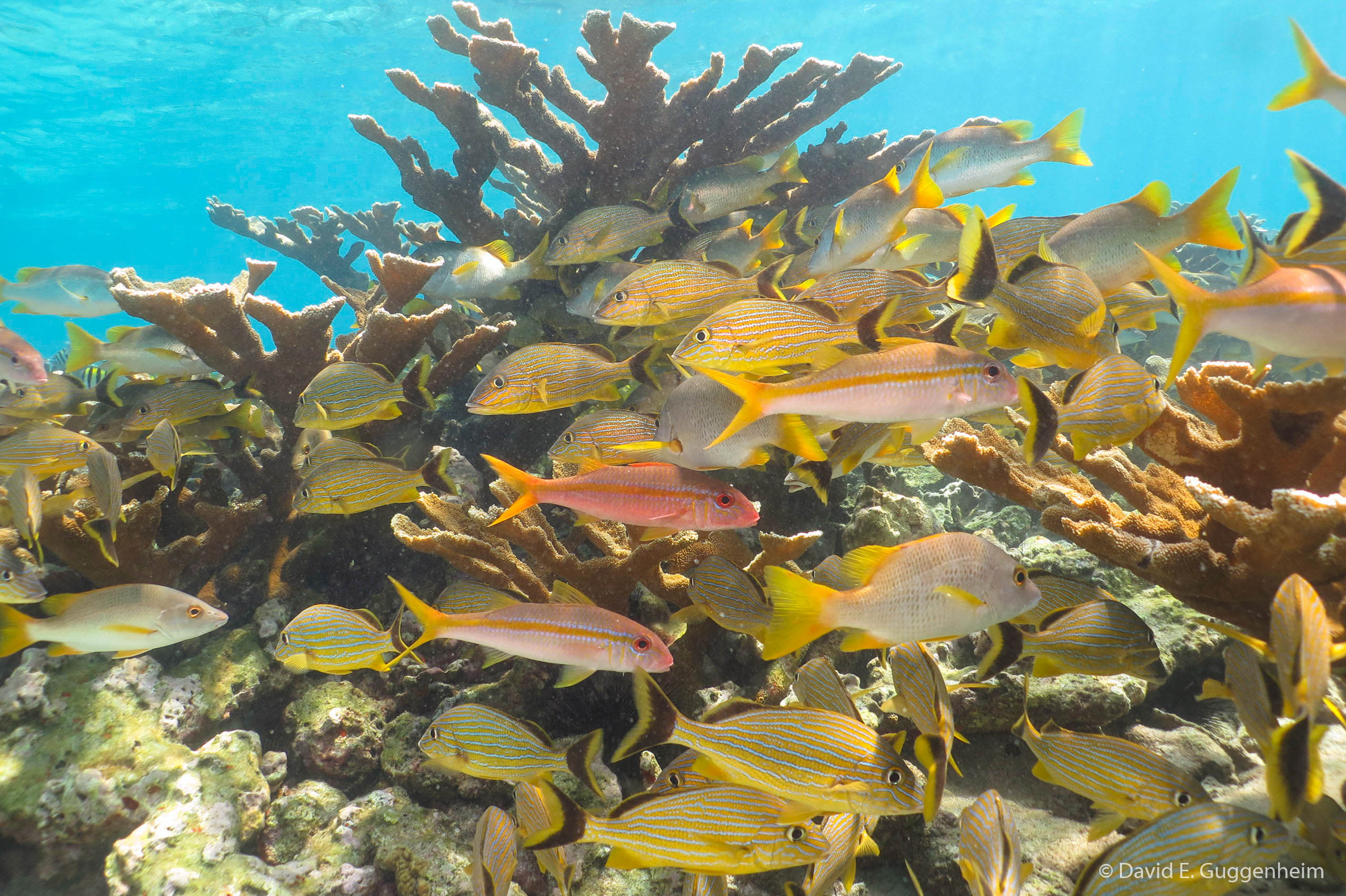
Cuba’s coral reef ecosystems remain among the healthiest in the Caribbean, which has seen a 50 percent loss of coral cover since 1970 (Photo: D. Guggenheim)
It’s the common refrain I hear from Americans contemplating travel to Cuba: “OMG, I want to see Cuba before we ruin it!” There is a great fear that Cuba could end up like Cancún and many other places in the Caribbean that have destroyed their coral reefs and lost their culture and identity in the process. A 2014 study found that half of the Caribbean’s coral cover has been lost since 1970 due primarily to human impacts. By not developing like the rest of the Caribbean, Cuba has spared its natural ecosystems, including its coral reefs, the same fate we have seen in so many places. Its reefs remain among the healthiest in the Caribbean.
However, a flood of tourism and business development from the U.S. could undermine Cuba’s natural heritage and culture. Tourism is already up more than 35 percent since December 2014. Twelve new golf course resorts have been announced to serve growing U.S. tourism demand, and a major U.S. cruise ship line has announced plans to bring Americans to Cuba beginning next year. Last week our colleagues at the Cuban Ministry of Foreign Affairs in Havana described the unrelenting procession of U.S. corporations visiting Cuba with grand plans and deep pockets.
Despite Cuba’s strong environmental and foreign investment laws, the onslaught of millions of American tourists and the promise of billions in foreign investment will surely create unprecedented pressures. If the rest of the Caribbean is a guide, the unraveling of ecosystems and communities is a disaster that may not occur overnight, but will insidiously unfold over decades, the cumulative effect of hundreds of bad decisions.
Now it’s a race to work with our colleagues in Cuba and together help chart a sustainable course for the future as relations normalize with the U.S. and the end of the 50-year-old economic embargo nears. Since the historic December 17, 2014 announcements by Presidents Obama and Castro to normalize diplomatic relations between Cuba and the U.S., Ocean Doctor has refocused its efforts on helping Cuba prepare for, in their words, the “tsunami” of Americans that has already begun to pour into the country. We are focused on four key initiatives of our Cuba Conservancy Program:
The Cuba-U.S. Sustainability Partnership (CUSP)
 Ocean Doctor and the Center for International Policy have partnered to create the Cuba-U.S. Sustainability Partnership or CUSP (http://OceanDoctor.org/CUSP), bringing together Americans and Cubans from the private sector, investors, nonprofit organizations, and others to develop guiding principles and best practices for sustainable development in Cuba.
CUSP is focused not only on environmental sustainability, but also on protection of Cuba’s culture, architecture and communities. Together we are bringing the best minds together to develop innovative solutions focused on balancing economic development and environmental and cultural conservation, and most importantly, learn from the mistakes made elsewhere in the Caribbean. We are also working within Cuban communities to engage a new generation of Cuban entrepreneurs and train them in sustainable business practices. Our team recently returned from Havana with strong support from the Cuban government, academic institutions and NGOs.
Measuring the Economic Value of Cuba’s Environment
Had we placed an economic value on keeping our natural ecosystems intact, there is no doubt that many decisions would have been made much differently. For example, had we adequately considered the value of the Everglades to the economy of South Florida we might not be engaged today in the largest environmental restoration project in history trying to save them. During the 1960s it became clear that traditional economics failed to take into account important factors, such as social welfare and the environment. Environmental economics seeks to measure the environmental impacts or costs of economic decisions.
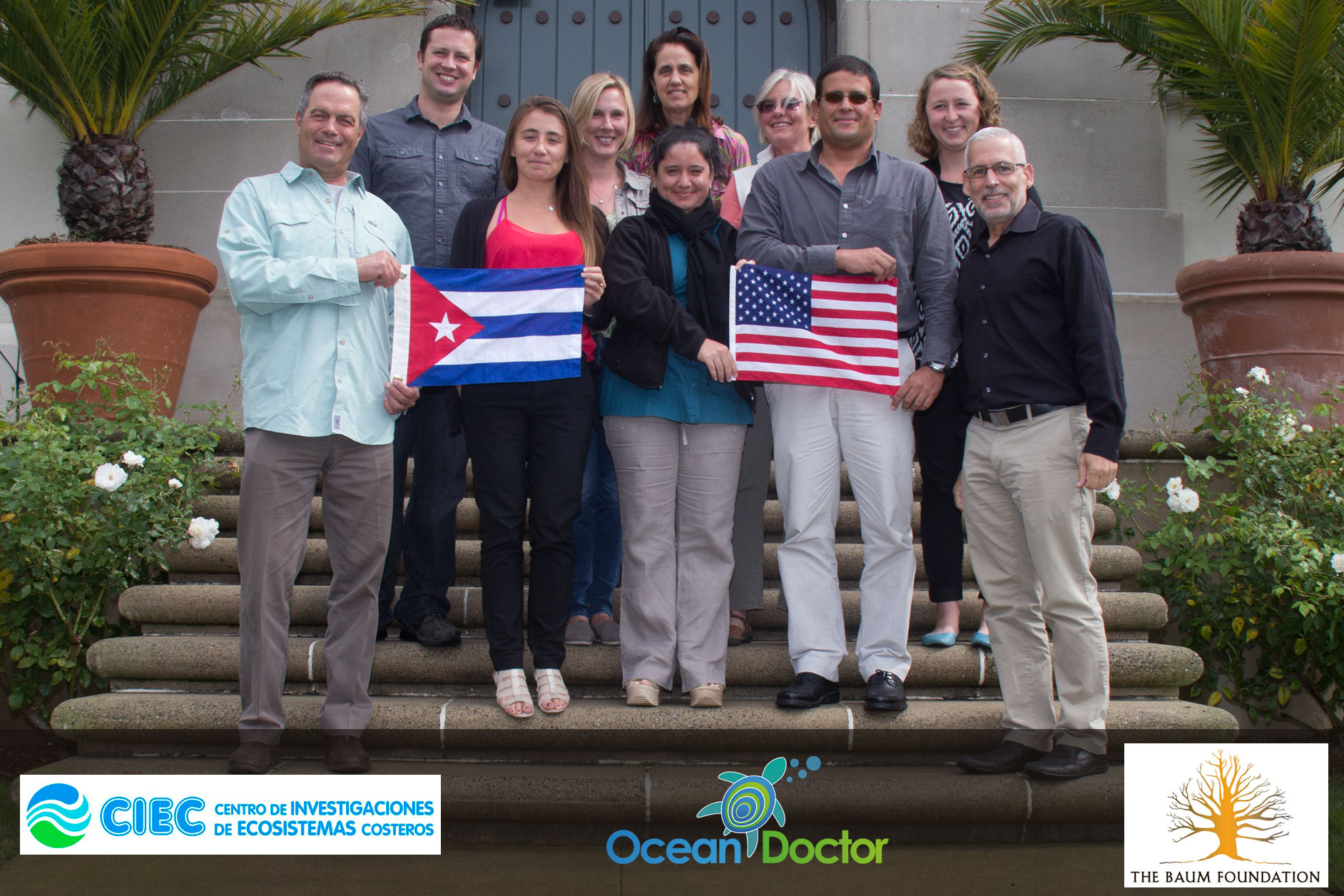 In September 2015, Ocean Doctor and The Baum Foundation hosted the second Cuban Environmental Economics Workshop in San Francisco, California, continuing an effort to forecast the economic benefits of expanding the protected area in Cuba’s Gardens of the Queen National Park.
The workshop also served to launch a new initiative in collaboration with World Resources Institute (WRI) and the Cuban Ministry of Science, Technology and the Environment to measure the economic value of Cuba’s natural environment throughout the entire country, beginning with a pilot project of three coastal areas off Cuba’s southwestern coast. WRI’s Coastal Capital program was launched in 2005 and aims to provide decision-makers in the Caribbean with information and tools that link the health of coastal ecosystems with the attainment of economic and social goals. The results are used to identify and support for policies that help to ensure healthy coastal ecosystems and sustainable economies. By integrating Cuba into this regional project, Cuba can benefit from lessons learned elsewhere to support strong decision making.
Protecting and Learning from Cuba’s Coral Reefs
 Surrounded by decimated coral reefs elsewhere in the Caribbean, Cuba’s coral reefs have remained exceptionally healthy, providing an unprecedented opportunity as a “living laboratory” to better quantify and understand the factors responsible for ensuring the long-term health of coral reefs. There exist few undisturbed “control groups” against which to compare disturbed ecosystems and Cuba’s reefs can play this important role. Ocean Doctor is leading a research effort focused on understanding why Cuba’s coral reefs are so healthy toward developing a blue print for restoring the many degraded coral reefs around the Caribbean. This effort may provide new insights into the structure and dynamics of a healthy coral reef ecosystem and help prioritize management efforts.
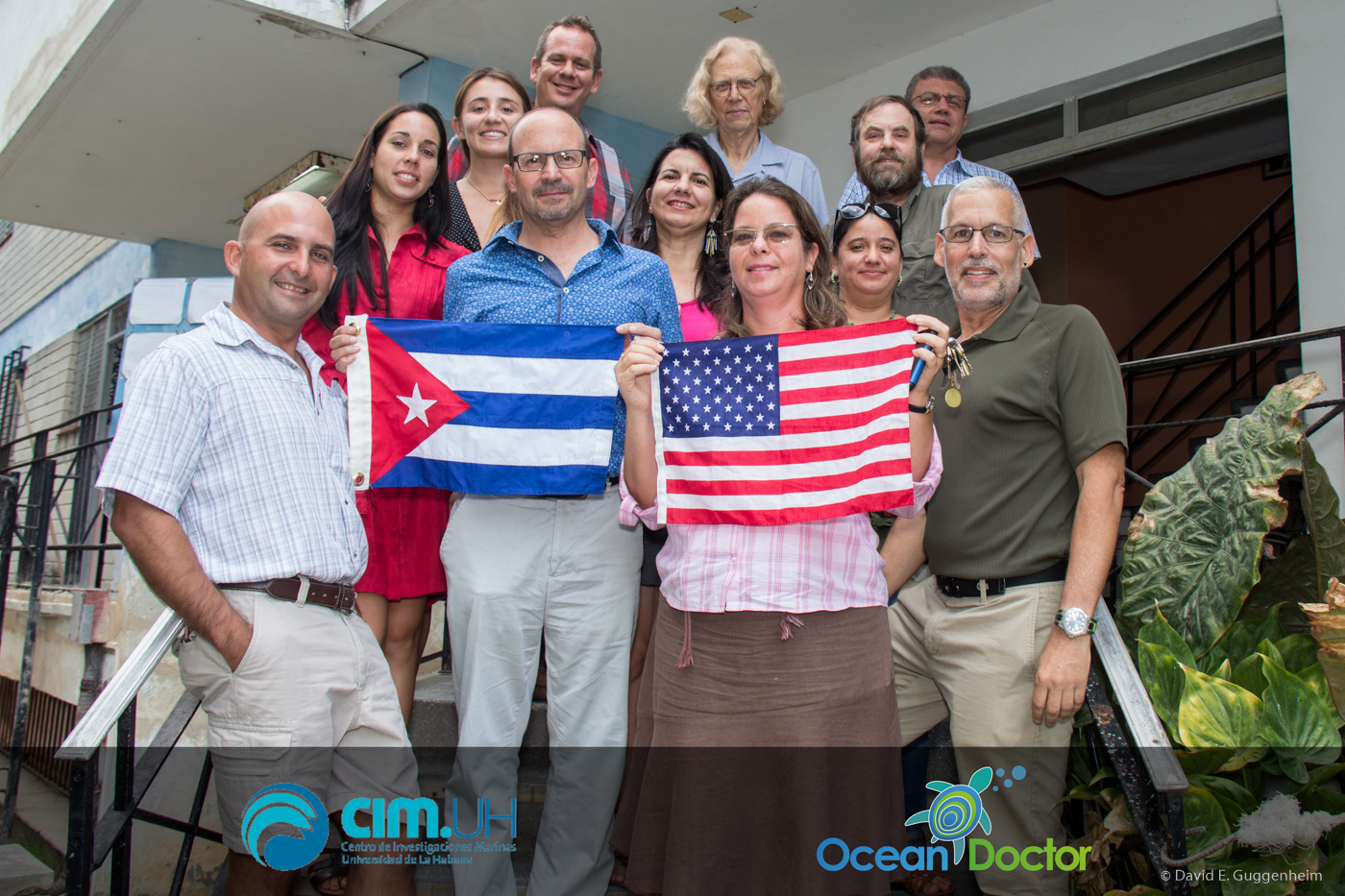
In August 2015, Ocean Doctor kicked off a multi-year program of research and conservation with a workshop in Cuba’s Isle of Youth in collaboration with the University of Havana’s Center for Marine Research, the Cuban Center for Coastal Ecosystem Research and world-renowned marine scientists, including Drs. Jeremy Jackson, Les Kaufman and Joe Roman. As a result of the workshop, we are working to better integrate Cuban scientists into key regional scientific initiatives throughout the Caribbean and the world. The workshop has also spawned an initiative to focus on protecting the coral reefs of Cuba’s Isle of Youth where some the telltale signs of degradation have begun to appear over the past three years.
Launching Cuba’s First Environmental Film Festival

Ocean Doctor and its partners are launching the very first Environmental Film Festival in Cuba October 24-31, 2016
To help Cuban communities become engaged in the environmental issues they are facing, Ocean Doctor, in partnership with Fundación Global Democracia y Desarollo (FUNGLODE)/the Global Foundation for Democracy and Development in the Dominican Republic, Cuba’s Antonio Nuñez Jiménez Foundation for Humanity and Nature, and in collaboration with the Cuban Institute of Cinematographic Art and Industry (ICAIC), is launching Cuba’s first environmental film festival in fall 2016.
Many Cuban communities are largely unaware of Cuba’s environmental achievements and may lack the perspective of the environmental degradation that has taken place in the rest of the Caribbean. The festival provides an opportunity to discuss sustainable alternatives to traditional development and tourism practices that could provide needed income while ensuring the long-term health of Cuban ecosystems.
The festival will present environmental films from Cuba and around the world focusing on a range of environmental issues. It will include panel discussions, forums, workshops and community activities featuring foreign national and international filmmakers, scientists and world leaders in conservation alongside Cuban experts.
Helping Cuban Communities
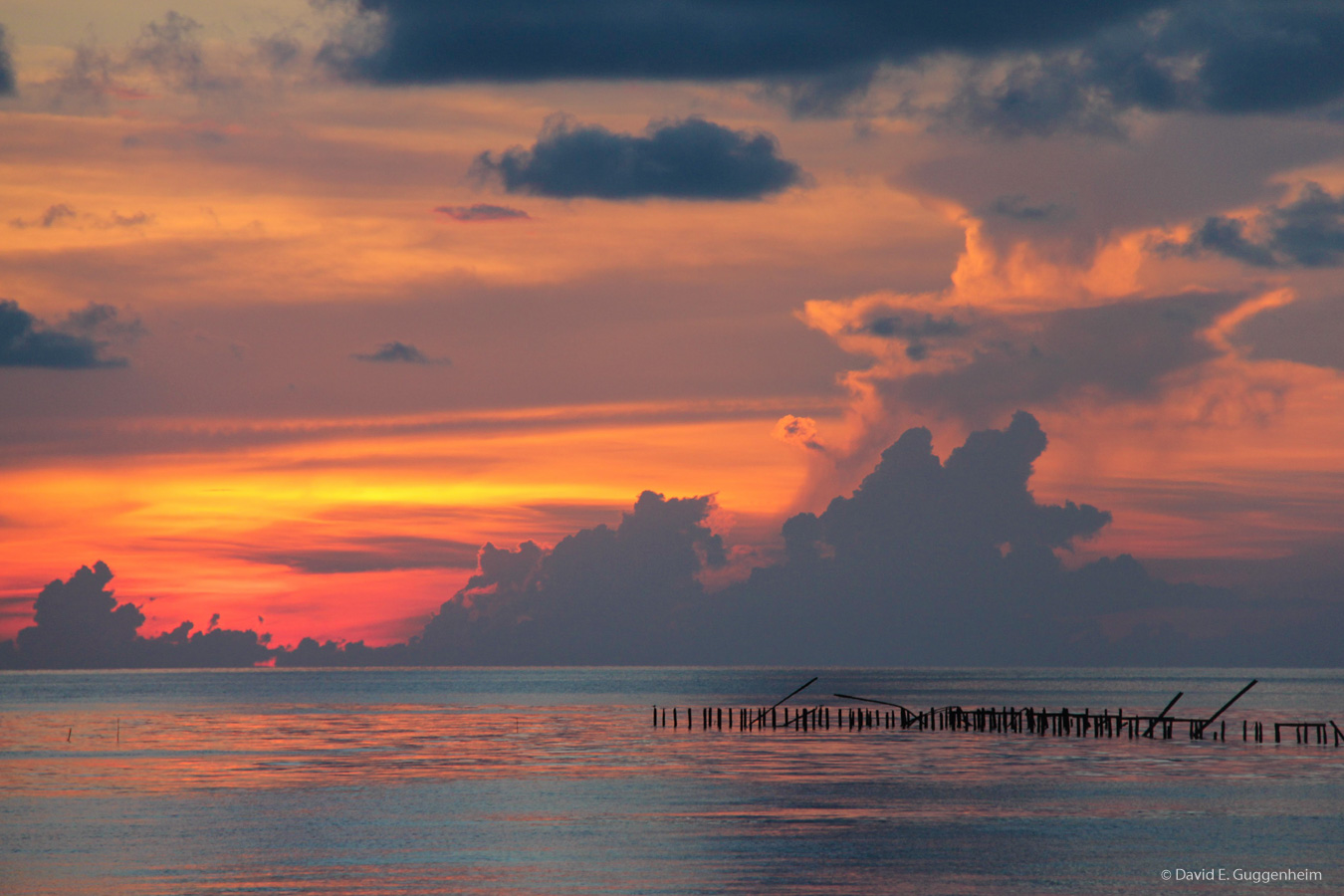
A spectacular summer sunset on Cuba’s Isle of Youth where Ocean Doctor and its Cuban partners are working to develop economic alternatives for coastal communities (Photo: D. Guggenheim)
A key to helping poor coastal communities in Cuba involves finding alternatives that are both environmentally and economically sustainable. Ecotourism is one activity that has great promise in providing such an alternative. Building on our research and conservation work and by directly engaging Cuban communities, we’re helping to provide new opportunities to residents of Cuban communities while ensuring the long-term protection of their exceptional coastal ecosystems.
With your help we can continue our leadership in environmental collaboration with our Cuban partners as neighbors who share common waters in a beautiful corner of the Caribbean, and help Cuba continue to be the “green jewel” of the Caribbean, a model of sustainability in our hemisphere. Thank you for your support of this important work.
Sincerely,

David E. Guggenheim, Ph.D.
Founder and President
Our Work is Impossible Without Your Support
Your donation is secure and tax-deductible in the U.S.

