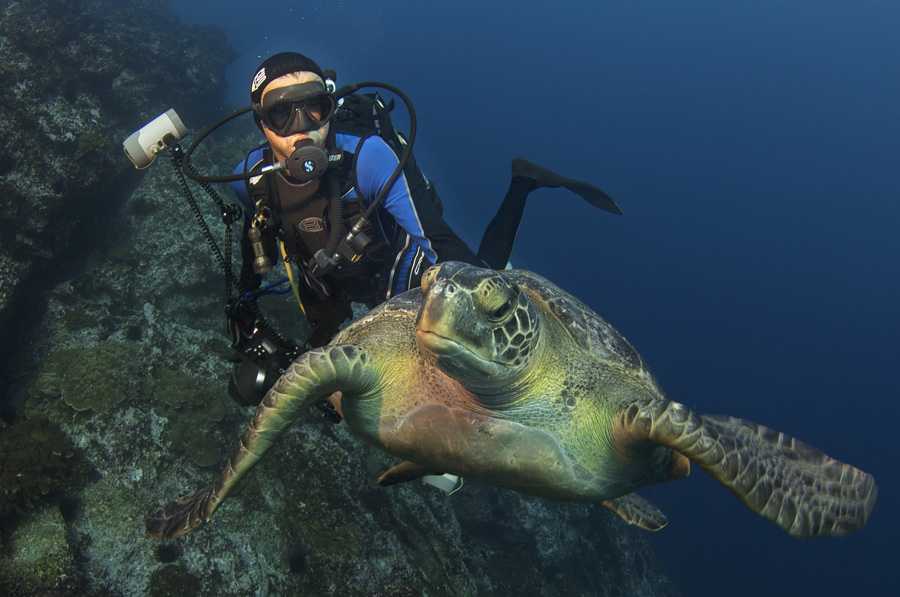


Down, down, down into the deep blue sea. Meet explorers like the real “Captain Nemo” – only one of two humans to have ventured 7 miles into the deep, hear about Cuba’s underwater mysteries and find out why the new green is blue. Only 5% of our oceans have been explored. The opportunity for adventure, research and knowledge seems unlimited, especially now with a new generation of mini-subs – and even a new, “wearable submarine”! Yet our oceans are dramatically over-fished, threatened by pollution – including the massive Gulf of Mexico oil spill — and endangered by climate change’s evil twin – acid oceans. Join us for discovery, adventure and hope at the bottom of the sea.
The Ocean Doctor airs weekly on WebTalkRadio.net. Want to listen on your iPod, iPhone or mp3 player? Download the mp3 file or subscribe with iTunes and don’t miss a single episode.
Like the show? Learn how to become a sponsor.
![]() |
Episodes
- George Jetson, Meet Mother Nature - The Latest in Green Tech from CES 2012, Las Vegas January 23, 2012
The Ocean Doctor finds himself in an unusual location for a marine biologist: The desert. We visit the Consumer Electronics Show (CES), the largest trade show in the world, to bring you highlights of the latest in green technology, including smartphone apps that talk to your appliances and save energy; wind turbines for the home; next-generation LED lighting that beats the pants off of compact fluorescent bulbs; an amazing way to keep your gadgets from dying prematurely and ending up in landfills; and a Jetsons-like electric unicycle that can effortlessly take you to and from work.
- Why Dolphins Must be Freed -- A Plea from Ric O'Barry ("The Cove") November 14, 2011
He was the former trainer of the most famous dolphin of them all, Flipper. There were actually five “Flippers” in all, and when the most well-known of them all, Kathy, died in Ric O’Barry’s arms, he made the profound transition from training dolphins in captivity to combating the captivity industry. His work was featured in the Academy Award-winning film, The Cove (2009), which used covert techniques to expose the brutal dolphin hunt that persists in Taiji, Japan. Ric shares his powerful message with us. Also: What would you do if your nation was going to disappear off the face of the Earth? We get a dramatic answer from ten warrior dancers of the tiny Pacific coral atoll nation of Tokelau.
- The Secret River in the Nation's Capital October 17, 2011
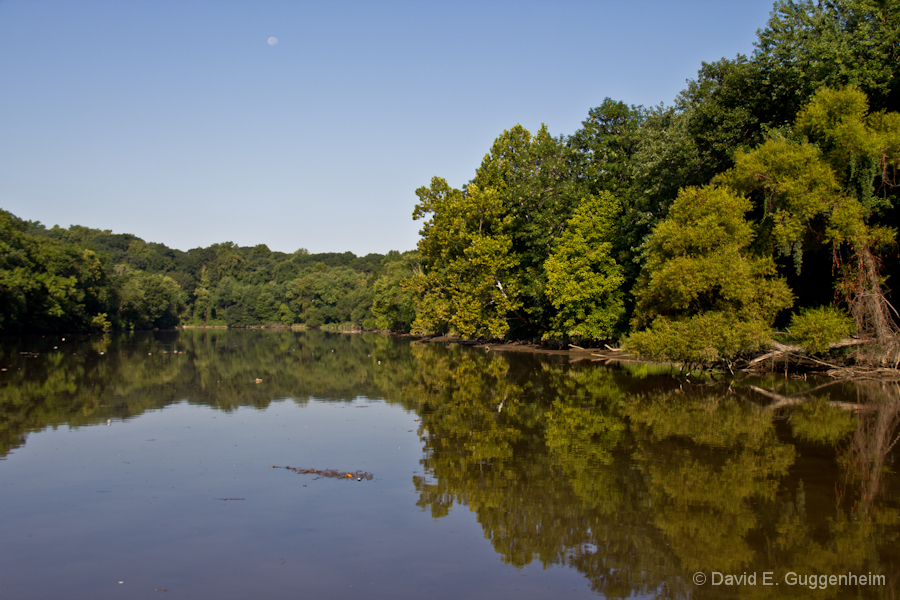
Just 18 blocks from the Capitol dome, a river teeming with American history and spectacular wildlife winds gently southward. But it’s not the well-known Potomac River that’s the subject of today’s show. This week, we dedicate our entire episode to a very special journey by boat down the secret river of the nation’s capital, a river called the Anacostia. Plying its waters is an eye-opening journey through our nation’s history and natural heritage. Our guide is James Foster, Executive Director of the Anacostia Watershed Society, a group whose leadership is pioneering the way for restoring this neglected river and providing hope for the other great rivers across the country.
- Have We Saved the Whales? September 25, 2011
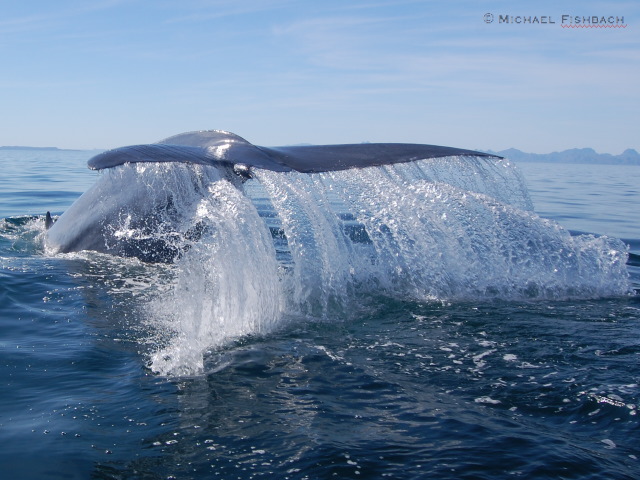
It was a battle cry in the ‘60s and ‘70s -- “Save the Whales” bumper stickers reflected a burgeoning green movement and deep concern about the decimation of the world’s whale populations. But decades later, do the whales still need saving? The important answer and much more about whales – including his dramatic rescue of humpback whale, “Valentina” – from Michael Fishbach, co-founder and co-director of The Great Whale Conservancy. Also: The planet’s missing heat may be found; why you should NOT eat a ray to save the bay; and Happy Birthday, Greenpeace!
- Eating Our Way Out of the Ocean's Problems -- A Chef's Perspective August 14, 2011
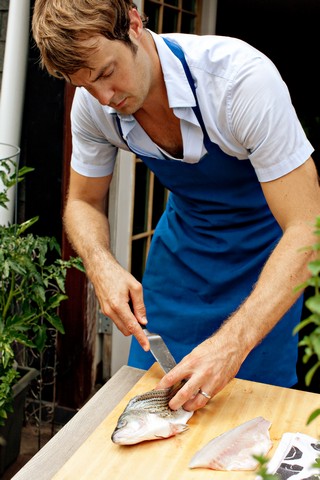
Our special guest is National Geographic Fellow and acclaimed chef, author, and speaker Barton Seaver, who seeks to restore our relationship with the ocean, the land, and with each other through dinner. His new book is For Cod and Country: Simple, Delicious Sustainable Cooking. If you’re not hungry, you will be by the end of this show! Also: A giant sea monster discovered in the UK and a close encounter with the largest animal that’s ever lived.
- National Geographic's Newest Explorer August 2, 2011
We visit National Geographic Headquarters in Washington, DC to meet the newest National Geographic “Explorer in Residence,” Dr. Enric Sala and his important work on the “Pristine Seas” program with expeditions to the last remaining pristine areas in the ocean. We also hear the incredible story of a humpback whale, rescued at the brink of death, that said “thank you” to its human rescuers. And we hear the tragic story of the loss of one of our colleagues in Cuba.
- 5th Period at the Bottom of New York Harbor May 24, 2011
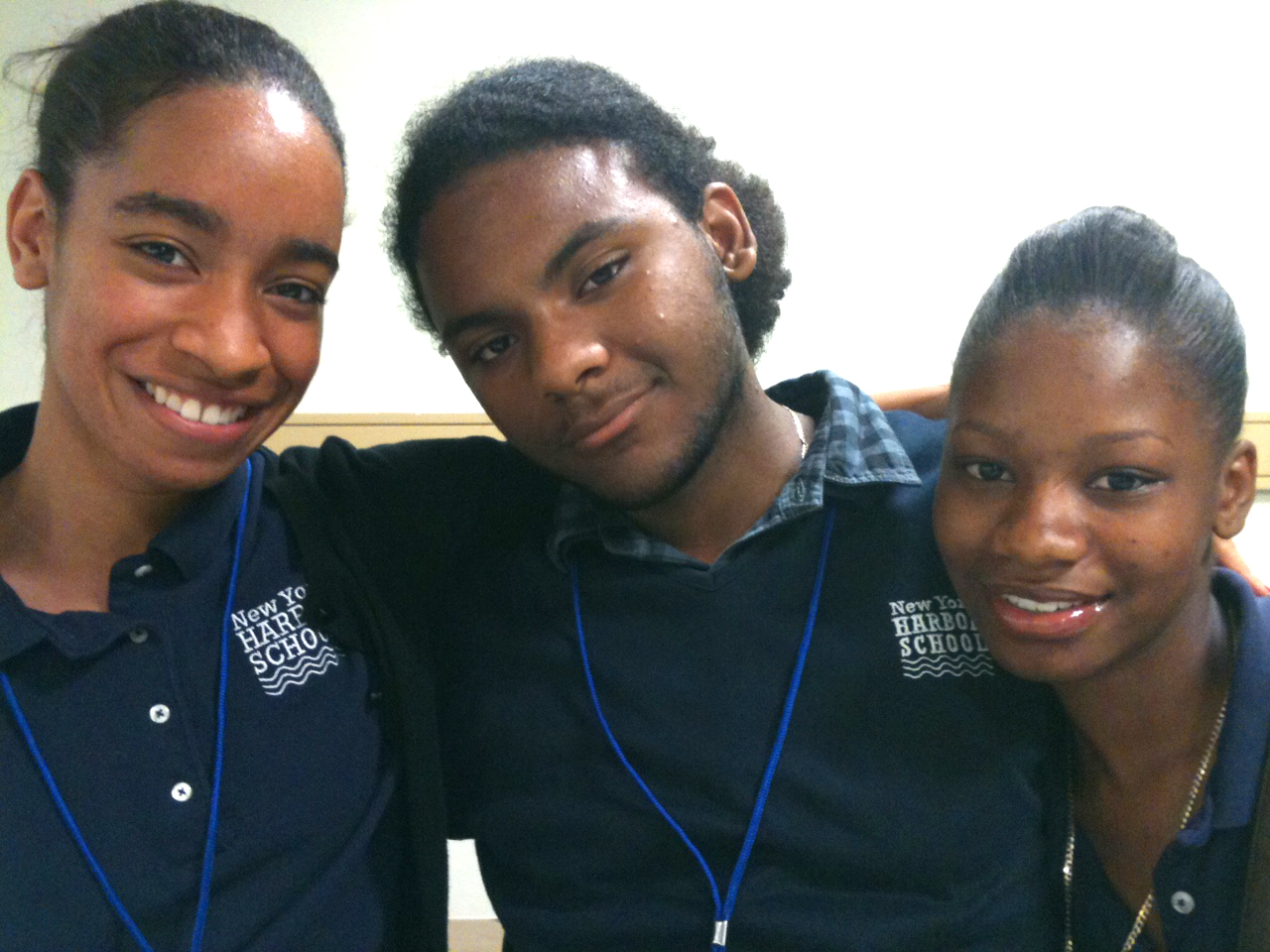
It’s a high school like no other, where you might be growing oysters during 3rd period and spend 5th period scuba diving at the bottom of New York Harbor. The Urban Assembly New York Harbor School is a public high school whose mission is “built upon New York City’s maritime experience that instills in its students both the ethics and skills of stewardship.” We’re joined by three students from the school – Patricia Tapia, Florence Bloomfield, and Cesar Gutierrez – who will make you laugh, and touch your heart with inspiration while giving us all an important lesson about what motivates young students and what makes for an exceptional educational experience today.
- The Fish You'll Eat Tomorrow May 8, 2011
They are the maddening questions that haunt us when eating seafood: What fish is safe to eat? What fish is sustainable? Is farmed better than wild caught? Our guest is Marianne Cufone, now Executive Director of the Alliance for Sustainable Aquaponics, with sound advice on eating seafood and a glimpse of the fish and other food you'll eat tomorrow. Also: The Ocean Doctor's next expedition and more about the film, "Cuba: The Accidental Eden."
- The Gentleman Biologist of Pier 39 April 25, 2011
Take a walk out to the end of San Francisco’s Pier 39, and you’ll hear an interesting symphony of barking California sea lions and reactions of delight and amusement from droves of human onlookers. And if you’re lucky, you might also find the “Gentleman Biologist of Pier 39,” Tim Vogel, a volunteer at the Marine Mammal Center in Sausalito, who has pursued tech career in Silicon Valley but has never forgotten his Seacamp roots. He spends hours teaching and inspiring visitors about the incredible wildlife of the West Coast and the wonders of science. Also: An update on the penguin rescue effort from Tristan da Cunha by Trevor Glass, Director of the Department of Conservation there.
- The Great Penguin Rescue April 4, 2011
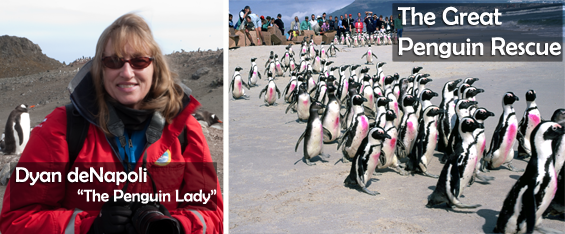
Our guest this week, penguin expert, Dyan deNapoli, “The Penguin Lady,” former Senior Penguin Aquarist at the New England Aquarium, talks about her new book, The Great Penguin Rescue. with important lessons – and hope – for the desperate penguin rescue and rehabilitation efforts underway following the tragic oil spill at Nightingale Island in the South Atlantic. Also: An update on the rescue effort from Tristan da Cunha by Katrine Herian of the Royal Society for the Protection of Birds.
- Aboard the Cape to Cape Expedition: Amazing Jobs at the Bottom of the Planet March 29, 2011
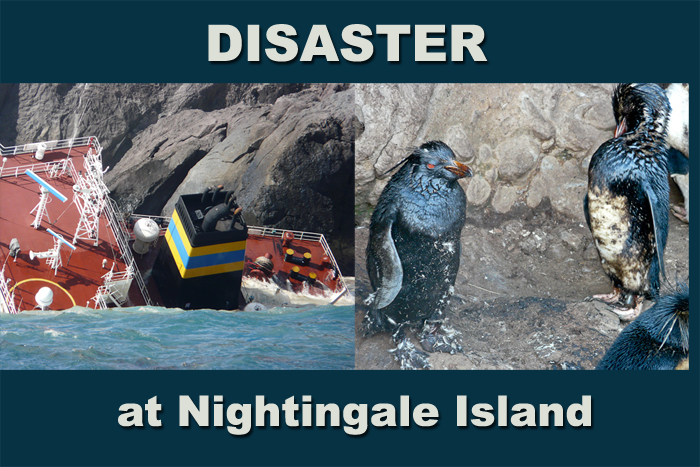
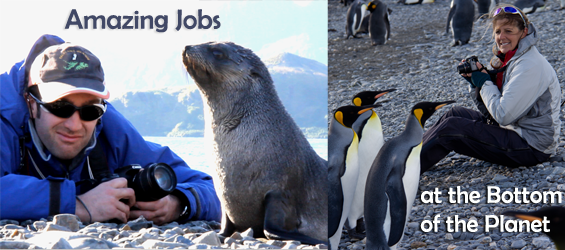
An update on the oil spill at Nightingale Island and the fate of half of the world’s endangered Northern Rockhopper penguin population. Ashore at last on Tristan da Cunha, the most remote inhabited island on Earth. And two amazing people with amazing jobs at the bottom of the planet, and advice for those seeking them: Prince Albert II expedition team members Robin Aiello and Luke Kenny.
- Aboard the Cape to Cape Expedition: Disaster at Nightingale Island March 22, 2011
The Prince Albert II finds itself in the middle of a rescue mission as its expedition team comes to the rescue of a cargo ship that has run aground at one of the most remote islands in the world, Nightingale Island, part of the Tristan da Cunha island group, an area that is home to the second largest population of seabirds in the world, including half of the world’s endangered Northern Rockhopper penguin population. When the ship breaks up and begins spilling its 300,000 gallons of heavy marine oil, it becomes clear that this may rank as one of the most serious environmental disasters of its kind.
- Aboard the Cape to Cape Expedition: In Shackleton's Footsteps on South Georgia Island March 14, 2011
Join the Ocean Doctor aboard the Prince Albert II as he reports from the Cape to Cape Expedition, traveling from the tip of South America to the tip of South Africa. This week we follow Ernest Shackleton’s footsteps on South Georgia Island where he found rescue for his doomed Antarctic expedition. We also get up close – very close – to the splendid Antarctic wildlife of this beautiful island, encountering penguins, seals, albatross and learn about the legacy of whaling here.
- Aboard the Cape to Cape Expedition: Ushuaia and the Falkland Islands March 7, 2011
Join the Ocean Doctor aboard the Prince Albert II as he reports from the Cape to Cape Expedition, traveling from the tip of South America to the tip of South Africa. This week, we “land in a postcard” in beautiful Ushuaia, Argentina and encounter penguins and albatross in the beautiful Falkland Islands. Also: The second of a two-part look at a newly-issued report by World Resources Institute, “Reefs at Risk Revisited” a report that history may well show is the most important report about the oceans to be released this century. It’s more than a wakeup call – it’s truly our last call to take action to save coral reefs.
- Kraken: Up Close and Very Personal With the Giant Squid February 28, 2011
Few animals provoke the imagination and wonder of the sea like the squid. The giant squid is thought to have been the basis of the myriad of sea monster tales that have been spun over the centuries. And while we now know more about these animals than ever before, there’s still an incredible amount of mystery remaining to be unveiled. The book is “Kraken: The Curious, Exciting and Slightly Disturbing Science of Squid” and its author and our guest today, Wendy Williams, award-winning writer and journalist. Also: First of a two-part look at a newly-issued report by World Resources Institute, “Reefs at Risk Revisited” a report that history may well show is the most important report about the oceans to be released this century. It’s more than a wakeup call - it’s truly our last call to take action to save coral reefs.
- The 21st Century Zoo February 21, 2011
Nearly 80 percent of Americans live in cities or urban areas. Their number one outdoor destination? The zoo. But today’s zoo has evolved far beyond the zoo we may remember from our childhood, toward being a major force in education, conservation and community leadership. Sharing his unique perspective on the vital role of the zoo is our guest, Dr. Stuart Strahl, President/CEO of the Chicago Zoological Society and Director of one of the world’s premier zoological institutions, the Brookfield Zoo in Chicago.
- CSI Goes Deep February 13, 2011
Crime Scene Investigation takes to the oceans with "Coral Reef CSI." The Coral Reef Alliance (CORAL) is now the home of the international Coral Reef CSI program. This new partnership will expand the field of coral reef forensic investigation in coral reef locations around the world, offering more protection to these valuable and fragile ecosystems. Our guest, Rick MacPherson, Interim Executive Director and Conservation Programs Director at CORAL fills us in. Also: Discovery of the wreck of the Nantucket whaler, "Two Brothers" in Hawaii and a special expedition announcement by The Ocean Doctor!
- Where's the Oil Now? What's the Gulf Worth? The Tough Questions, Answered February 7, 2011
We tap into the best and brightest at the National Conference on Science, Policy and the Environment in Washington, DC to get answers to the tough questions. An interview with Dr. David Yoskowitz, Chair of Socioeconomics at the Harte Research Institute for Gulf of Mexico Studies, with jaw-dropping statistics on what the Gulf is worth. What we all assumed about dispersants that may be all wrong. And we follow the National Commission on the BP Deepwater Horizon Oil Spill and Offshore Drilling as it goes before Congress.
- Jean-Michel Cousteau on the Gulf, His Father and Our Oceans' Future January 30, 2011
Our special guest this week is Jean-Michel Cousteau, who leads Ocean Futures Society, a nonprofit marine conservation organization which he founded in 1999 to honor his father's legacy to carry on his pioneering work in exploring, filming and protecting the oceans. Jean-Michel has produced over 80 films, received the Emmy and the Peabody Award among others. He was honored with the Environmental Hero Award by the White House. In February 2002, he became the first person to represent the Environment in the Opening Ceremony of the Olympic Games in Salt Lake City. Jean-Michel led the effort to return Keiko, the captive killer whale of "Free Willy" film fame, to the wild. With his team, Jean-Michel has been working for months to document the impact of the BP Deepwater Horizon oil spill disaster. Also: Our in-depth coverage of the National Commission on the BP Deepwater Horizon Oil Spill continues.
- Saving Our Seas with an eBay Guitar: The Arts and Ocean Literacy January 23, 2011
Like it or not, our kids are going to inherit an oiled Gulf and a troubled ocean, and their generation will ultimately have to deal with problems we’ve created. But how do we ensure they’re up to the challenge? If you listen to multimedia artist and conservationist Mark Holmes, reaching our kids through the arts is a powerful approach and that’s exactly what he’s doing with the newly-formed Institute for Ocean Literacy. Mark formerly worked at National Geographic where he launched the NationalGeographic.com web site and designed and art directed National Geographic Magazine. His music, graphic novels, and passion are helping to inspire our next generation. Also: Our in-depth coverage of the National Commission on the BP Deepwater Horizon Oil Spill and Offshore Drilling continues as the Ocean Doctor guides you through the highlights of its final report.
- Oceans '11: The BP Oil Spill Commission Speaks - Ocean Issues to Watch January 16, 2011
The National Commission on the BP Deepwater Horizon Oil Spill and Offshore Drilling has released its final report. What does it say and what are the lessons from this tragedy? The Ocean Doctor guides you through the highlights. Also: From The Ocean Foundation’s headquarters in Washington, DC, our panel of experts discusses other key ocean issues we should pay attention to this year.
- Lights, Camera, Walrus! From Beneath the Ice to the Big Screen January 10, 2011
Award-winning underwater cinematographer, Adam Ravetch works in one of the most unforgiving, hostile environments imaginable: Under the ice in the Arctic. And with camera in hand, he pursues some of the most elusive and dangerous Arctic life, including polar bears and walrus. The critically-acclaimed film, "Arctic Tale" narrated by Queen Latifah told the story of a polar bear cub and a walrus pup against the backdrop of a changing Arctic environment and showcased 15 years worth of Adam's incredible footage and insights. Adam joins us this week to tell us how he did it, and what's next!
- Housewives of New Jersey, Take Note: This Jersey Girl Has Power and Purpose January 2, 2011
She describes herself as an ordinary mother of two, but there’s nothing ordinary about Margo Pellegrino, the spirited New Jerseyite who has paddled the East Coast, Gulf Coast and in 2010, the West Coast of the U.S. to help elevate awareness about the oceans. She’s an inspiration, with lessons for the “Housewives of New Jersey” and “Snookie.”
- The Top 10 Countdown: Your Favorite Episodes of 2010 December 27, 2010
It’s our end-of-the-year party and retrospective where we count down your top 10 favorite episodes of the year and enjoy highlights from each of them. If you’ve missed any past episodes of “The Ocean Doctor,” here’s your chance to catch up and discover shows you’d like to hear in full. Find them all at oceandoctor.org/radio
- This Week’s Guest is YOU – The Ocean Doctor LIVE! Broadcast December 20, 2010
It’s the premiere of “The Ocean Doctor LIVE!” where YOU are the guest! We get a surprise visit from one of our past guests and talk oceans, coast-to-coast. Also: If I were a Great White, I wouldn’t eat you.
- I Hereby Reclaim This Land for Nature! December 13, 2010
Mangroves are critically important to our coastlines, to fish, manatees and other ocean wildlife we love. But in South Florida many acres of mangroves were destroyed to make way for waterfront real estate, and around the world, mangroves face a myriad of threats. Enter the Reclamation Project, a unique art, education and restoration project hosted at Miami Science Museum. Mangrove seedlings in cups are displayed as art in galleries, retail stores and schools throughout the region, and once large enough, they are replanted along the shoreline. Along the way comes lots of new awareness about the incredible wetlands residents may be only vaguely aware of, and deep appreciation for the beauty of nature. Our guests: Reclamation Project Founder and artist, Xavier Cortada and Executive Director, Fernando Bretos. Also: Attacked by the Giant Squid’s cousins and a silky shark with an appetite for video cameras.
- Jacques Cousteau, Fidel Castro and Cuba’s Undying Passion for the Sea December 6, 2010
Join The Ocean Doctor, along with Ocean Foundation Research Fellow, Fernando Bretos, on a field trip to Havana to visit with Cuba’s next-generation of marine scientists at the University of Havana’s Center for Marine Research (Centro de Investigaciones Marinas). We visit with the Center’s new director, Dr. Jorge A. Angulo Valdés. We also visit with Dr. Julia Azanza Ricardo who directs the Center’s unique sea turtle research and conservation program in the wilds of Guanahacabibes Biosphere Reserve on Cuba’s western tip. For these two and their colleagues, their passion for the sea runs deep, thanks in large part to two influential people in their lives: Jacques Cousteau and Fidel Castro.
- Do We Dare Drill Beneath Arctic Seas? November 29, 2010
Walter Parker, who has accumulated an incredible 55 years of leadership and experience in Alaska’s environmental issues, particularly as a watchdog of Alaska's oil industry, joins us to share his unique perspectives on Alaska’s experience with the oil industry and whether we’ve yet learned our lessons. The stakes are high: The push is on to drill beneath the ice in Arctic waters. This week we hear from many of you as we give thanks to Mother Ocean!
- The War, The Exodus, The Hurricane, The Oil Spill: One Gulf Community’s Determination to Endure (Part 2) November 22, 2010
CONCLUSION: Village de l'Est, known locally as "Versailles" in New Orleans East, holds the highest concentration of Vietnamese outside of Vietnam. Settled in 1975 by Vietnamese refugees when Saigon fell to the Communists, the community’s residents bought boats and have fished the Gulf of Mexico -- 80 percent of the community is dependent on fishing and the fishing industry. But in 2005, Hurricane Katrina nearly wiped the community off the map. Still recovering from that disaster, the BP oil spill now leaves the future of fishing uncertain in the Gulf. Now, in a partnership with The Ocean Foundation, the community is looking at next-generation land-based fish farming as a solution. Join The Ocean Doctor in a visit to this unique community that is determined to do whatever it takes to endure.
- The War, The Exodus, The Hurricane, The Oil Spill: One Gulf Community’s Determination to Endure (Part 1) November 15, 2010
Village de l'Est, known locally as "Versailles" in New Orleans East, holds the highest concentration of Vietnamese outside of Vietnam. Settled in 1975 by Vietnamese refugees when Saigon fell to the Communists, the community’s residents bought boats and have fished the Gulf of Mexico -- 80 percent of the community is dependent on fishing and the fishing industry. But in 2005, Hurricane Katrina nearly wiped the community off the map. Still recovering from that disaster, the BP oil spill now leaves the future of fishing uncertain in the Gulf. Now, in a partnership with The Ocean Foundation, the community is looking at next-generation land-based fish farming as a solution. Join The Ocean Doctor in a visit to this unique community that is determined to do whatever it takes to endure.
- Wild and Crazy: A Worm Named Bob Marley and the Fish With a See-Through Head November 8, 2010
In the oceans, Mother Nature continues to surprise and delight us with mesmerizing, jaw-dropping marine life that often wildly exceeds our imagination. Released at the completion of the decade-long Census of Marine Life, the new book from National Geographic, Citizens of the Sea: Wondrous Creatures From the Census of Marine Life, is not only rich with the captivating images you'd expect from the seasoned underwater photographers of National Geographic and the Census of Marine Life, but its delightful prose by author Dr. Nancy Knowlton -- Sant Chair for Marine Science at the Smithsonian’s National Museum of Natural History and a scientific leader of the Census of Marine Life -- brings these photographs to life in captivating vignettes that will playfully bend your brain with utterly amazing facts about these utterly amazing creatures, including the Bob Marley Worm and a fish with a head you (and it) can see right through. We visit with Dr. Knowlton at her office at Smithsonian and take a field trip to the Smithsonian's latest and wildly popular exhibit, the "Hyperbolic Crochet Coral Reef."
- Why Saving the Gulf of Mexico Starts in Ohio November 2, 2010
For many of us in the 48 continental United States, what we do in our own back yard can directly impact what happens in the Gulf of Mexico. Nearly 40 percent of the continental United States – and even a small portion of Canada – drains into the Mississippi river and ultimately the Gulf of Mexico. We visit central Ohio where the Licking County Soil & Water Conservation District is helping its community restore and protect its natural lands, farmlands and waters while also helping countless communities downstream, all the way to the Gulf of Mexico. Learn about rain gardens and rain barrels and how all of us can work together to make our back yards more beautiful and our communities – and the Gulf of Mexico –more healthy and vibrant.
- A Crazy Awesome Way to Get Paid to Clean Your Closet...and Help the Oceans October 25, 2010
What’s lurking in your closet? Chances are there’s a cell phone or two in there, an old laptop and perhaps an iPod? Sadly most electronics waste or “e-waste” ends up in landfills where it can have very harmful effects on groundwater and the oceans. We visit with Kristina Kennedy of Gazelle, an innovative company that’s leading the way by paying you to recycle your old electronics. Plus our “In Depth” coverage of the National Commission on the BP Deepwater Horizon Oil Spill continues, but this week our Spin Detector alarm sounds!
- Cuba and the U.S. Find Friendship and Hope in the Gulf of Mexico October 18, 2010
After 50 years without formal diplomatic relations and no end to the last vestiges of the Cold War in sight, marine scientists and conservationists have taken matters into their own hands to form the Trinational Initiative for Marine Science and Conservation in the Gulf of Mexico and Western Caribbean, a unique partnership of Cuba, Mexico and the United States that is working past political barriers to make a difference for the waters we share and forging new friendships along the way. The Trinational Initiative recently held its fourth meeting in Sarasota, Florida and after nearly a decade of the Administration denying visas, more than 20 Cubans received their visas and participated in the meeting. The Ocean Doctor leads the meeting and shares its successes.
- Sails, Science and the Sea: Around the World with the Tara Oceans Expedition October 11, 2010
We make contact with the sailing vessel Tara, somewhere off the coast of Africa and learn about Tara Oceans, a project of Tara Expeditions a French nonprofit program. During its last expedition, Tara Arctic, the ship experienced a 507-day drift, deliberately frozen into the ice pack of the Arctic Ocean. We chat with Romain Troublé, Secretary General of Tara Expeditions and Sy Rotter, Executive Director, TARA Foundation for Marine Research and learn about Tara Oceans, the organization’s latest project, a 3-year expedition around the world to study previously unknown and crucial marine ecosystems. Also, we “go deep” to understand the latest from the National Commission on the BP Deepwater Horizon Oil Spill.
- Seacamp: 45 Years of Immersive Education That Works October 4, 2010
The Ocean Doctor attends the 45th anniversary celebration of Seacamp, a unique marine science summer camp in the Florida Keys that has reached more than 200,000 young hearts and minds through its summer program and its Newfound Harbor Marine Institute program during the rest of the year. We visit old friends, and chat with Irene Hooper, the original director who remains very involved, continuing to impart her leadership and vision to ensure the next generation grows up with a special place in its heart for the oceans. David tells his most famous Seacamp story about a canoe and two mischievous dolphins. And we hear the latest from the National Commission on the BP Deepwater Horizon oil spill.
- Crossing the Ocean Solo with Your Bare Hands: Roz Savage - Part 2 September 27, 2010
In 2005 she left a comfortable life behind to row solo across the Atlantic Ocean. This year she became the first woman to row solo across the Pacific, promoting environmental awareness throughout the journey: Part 2 of our interview with Roz Savage picks up during her harrowing Coast Guard rescue. In the Gulf: The fish kills continue in southern Louisiana – what’s the cause? And how Greenpeace ship "Arctic Sunrise" is helping independent scientists get the facts on the impacts of the BP Gulf of Mexico spill. And it’s talk like a Klingon day on "The Ocean Doctor!"
- Crossing the Ocean Solo with Your Bare Hands: Roz Savage - Part 1 September 20, 2010
In 2005 she left her comfortable life behind to row solo across the Atlantic Ocean. This year she became the first woman to row solo across the Pacific, promoting environmental awareness throughout the journey: Part 1 of our interview with ocean rower, author & speaker, Roz Savage. In the Gulf: The National Commission on the BP Deepwater Horizon Oil Spill harassing independent scientists? Millions of dead fish in Louisiana. Is the oil to blame? We catch up with Louisiana fishing guide, Ryan Lambert for the latest on the impact of the spill on the marshes and the lives of those who live among them.
- What Everyone Should Know About Bottled Water September 13, 2010
The truth about bottled water and what you can do about it. Drew McGowan from Brita fills us in with advice on how you can help the planet while helping your wallet. Did you study? Our first pop quiz…and it’s hard. Can you keep up with the high school students of the National Ocean Sciences Bowl? Can you beat The Ocean Doctor? And the discovery of massive amounts of oil covering the bottom of the Gulf of Mexico and why it’s especially bad news.
- Beneath the Deadliest Catch: Beauty & Mayhem Under the Bering Sea September 7, 2010
We return to Alaska’s Bering Sea aboard the Greenpeace ship “Esperanza” and take the DeepWorker 1-person submarine down to nearly 2,000 feet where we’ll find the best and worst things The Ocean Doctor has ever seen underwater. We also visit with Greenpeace Oceans Campaign Leader, John Hocevar aboard the Esperanza.
- Politics Before Science? What The Oil Spill Commission Has Revealed August 30, 2010
Surprising revelations about agencies that were not consulted prior to the President’s March 2010 expansion of offshore oil drilling. Have the microbes in the Gulf of Mexico consumed the unseen oil? One study says “yes,” a second, “no.” Or is that what they say at all? Our special guest is Nicolas Drayton, EPSCoR Coordinator in the U.S. Virgin Islands with inspirational ideas and dedication to get the next generation interested and engaged in science.
- Disaster, Dispersants & Deception in the Gulf of Mexico August 23, 2010
The Administration claims the “vast majority” of the oil is “gone.” But the latest studies and Congressional hearings say otherwise. How safe is Gulf seafood? What does the future hold? The Ocean Doctor continues the work of unspinning the spin. This week’s guest: David Helvarg, president of the Blue Frontier Campaign, author of, “Saved by the Sea,” leader of the Seaweed Rebellion.
- The Largest Environmental Restoration Ever Attempted August 16, 2010
Why success in the Everglades is a key test for our species. Our special guest: Shannon Estenoz, Governing Board Member, South Florida Water Management District and Everglades champion. Also: We take our Time Machine for a spin! And more on dispersants in the Gulf of Mexico.
- How to Save a Shark August 9, 2010
You've experienced Shark Week, now learn the compelling conservation story behind these incredible animals and why it matters with Shark Advocates International president, Sonja Fordham. Where's the oil? The Ocean Doctor's Spin Alarm is triggered by the Administration's misleading sound bytes. How OtterBox saved The Ocean Doctor's Gulf sampling program on Tools of the Trade.
- Into the Spill: A House Call to the Gulf - Part 2 August 2, 2010
The Ocean Doctor makes a house call to the ailing Gulf of Mexico, visiting southern Louisiana in the heart of the Mississippi River delta to learn firsthand the damage wrought by the BP Deepwater Horizon oil spill disaster. We visit again with fishing guide Ryan Lambert and also visit East New Orleans’ Vietnamese community -- a community especially hard-hit by Katrina, and now the BP spill – where they are considering sustainable, land-based aquaculture as an alternative to fishing the Gulf. Father Vien Nguyen gives us the grand tour. (Part 2 of 2)
- Into the Spill: A House Call to the Gulf - Part 1 July 25, 2010
The Ocean Doctor makes a house call to the ailing Gulf of Mexico, visiting southern Louisiana in the heart of the Mississippi River delta to learn firsthand the damage wrought by the BP Deepwater Horizon oil spill disaster. Join him on the water with fishing guide Ryan Lambert as he hears the local perspective and collects samples to assess the impact of chemical dispersants. (Part 1 of 2)
- The Ocean Revolution is Underway! July 19, 2010
We talk with OceanRevolution founder and co-director, Dr. Wallace “J” Nichols, just back from the Gulf region to hear his firsthand report about the BP oil spill disaster. Also, more on the controversial use of chemical dispersants on the BP oil spill. And revealed this week, the secret to the shark-taming powers of the Cuban “Shark Whisperer.”
- The Deadly Truth About Dispersants in the Gulf July 11, 2010
For the first time anywhere, hear the full, uncut story about BP’s unprecedented use of dispersants in the Gulf of Mexico and learn why it’s making a terrible situation far more serious. We hear from marine toxicologist, Dr. Susan D. Shaw, director of the Marine Environmental Research Institute in Maine, during her second research trip to Louisiana. Also, what you can do to help stop BP from continuing this practice, which represents an uncontrolled experiment on the Gulf of Mexico’s ecosystems.
- Wide-Eyed in Cuba's Jurassic Park July 5, 2010
We journey to Cuba to visit some long-lost friends of the deep, along with LOTS of sharks. The awful truth about the oil companies’ ability to deal with oil spills revealed during Congressional hearings. What’s happening in British Columbia and why it will affect millions of Americans -- and possibly the Gulf of Mexico. And how you can help the Gulf -- with your iPhone.
- You're a Submarine Pilot! June 28, 2010
"The Ocean Doctor" kicks off by taking you on the series’ first weekly field trip aboard the one-person submersible, the DeepWorker, on a dive to 2,000 feet, to the bottom of Alaska’s Bering Sea. Our guest is Jeff Heaton, sub pilot and operations manager at Nuytco, Ltd. in Vancouver where these incredible subs are manufactured. Also: The Gulf of Mexico -- What you can do.