• Link to X
  • Link to Facebook
  • Link to LinkedIn
  • Link to Youtube
  • Link to Instagram
  • Link to Pinterest
  • Link to Rss this site
Ocean Doctor
  • About
    • About Us
    • History
    • Board of Directors
      • Dr. Sylvia A. Earle
      • Adam Ravetch
      • Robert Frank
      • Advisory Council
    • Our Team
      • Dr. David E. Guggenheim – President
      • Mary Kadzielski – Program Consultant
      • Sophia Marencik – Conservation Policy Intern
      • Taylor Gordon – Intern
      • Cassidy Haney – Intern
      • Christina Riemer – Intern
      • MJ Hendren – Intern
    • Press
      • Ocean Doctor in the News
      • Media Kit
      • Press Releases
    • Contact
      • Contact Us
      • Submit a Question About Our Cuba Travel Program
      • Subscribe to Our Newsletter
      • Social Media
  • Our Work
    • Cuba Conservancy Program
      • About
      • Considering the Economic Value of Cuba’s Natural Ecosystems
      • Project “Red Alerta”
      • CUSP – The Cuba-U.S. Sustainability Partnership
      • Cuba Environmental Film Festival
      • Cuba Educational Travel
      • Animal Rescue in Cuba
      • More…
    • 50 States Expedition
      • About
      • Adopt a State!
      • Articles
    • Penguin Conservation
      • About
      • Our Film: Disaster at Nightingale
      • Articles
    • Animal Rescue in Cuba
    • More…
      • Protecting the Bering Sea Canyons
      • Sustainable Aquaculture
      • Expeditions
        • Cape to Cape Expedition
          • Articles
          • Track
        • Bering Sea Expedition
          • Articles
          • Track
        • The Ocean Doctor Radio Show
          • Listen Now
          • Subscribe with iTunes
  • News
    • Featured
    • Ocean Doctor in the News
    • Ocean Doctor’s Reflections
    • Action Alerts
    • The Ocean Doctor Radio Show
  • Events
    • Upcoming Events
    • Events Calendar
    • Past Events
    • Book a Speaker for Your Event
  • Travel With Us
    • Travel Opportunities
    • Registration
  • Book a SpeakerDr. David E. Guggenheim is a marine scientist, ocean explorer, submarine pilot, and conservation policy leader based in Washington, DC at The Ocean Foundation where he serves as Senior Fellow and Director of its Cuba Marine Research and Conservation Program. He also hosts The Ocean Doctor Radio Show. Dr. Guggenheim was inducted into the Explorers Club as a National Fellow in 2008. An accomplished public speaker, Dr. Guggenheim offers a unique perspective ? from a tiny submarine 2,000 feet beneath Alaska’s Bering Sea to the hallways of Washington, DC ? on the wonder of the oceans around us and the critical issues they now face. In early 2009, Dr. Guggenheim embarked on a special ?expedition? to deliver speeches to tens of thousands of students in all 50 U.S. states, the Ocean Doctor’s ?50 Years ? 50 States ? 50 Speeches? Expedition. In Washington, DC, Dr. Guggenheim is a leader in conservation policy, on important issues including global warming, coral reefs, sustainable seafood, and environmental education and is actively involved in international environmental issues. Read Dr. Guggenheim’s full biography? ? Dr. Guggenheim is a regular spokesperson on ocean issues and has been featured on ABC’s Good Morning America, CNN, MSNBC, BBC,?
  • Support Us
    • Make a Donation
    • Ocean Doctor Gear
  • Click to open the search input field Click to open the search input field Search
  • Menu Menu

Archive for category: Projects & Expeditions

Witnessing History in Havana: 12/17/2014

December 28, 2014/in Cuba, Cuba Research & Conservation, Featured, Ocean Doctor's Reflections/by Ocean Doctor
Video: Havana - Announcements December 17, 2014

My 2-minute video account of the dramatic events of December 17, 2014 while I was in Havana, Cuba. CLICK THUMBNAIL TO VIEW VIDEO or click here

The Cuban taxi driver informed  me that the world was about to change. Presidents Raul Castro and Barack Obama were going to deliver a major announcement at noon. He shook my hand in congratulations.

I stood stunned as the taxi pulled away. We had heard these rumors before, and with little Internet access, the rumor mill in Havana is especially rich. But this time, things seemed different.

At 11:25am we heard an announcement that Alan Gross, who had been imprisoned in Cuba for 5 years, was safely back in the United States. Something very big was happening.

The day before I had given a talk about U.S.-Cuba collaboration in marine science and conservation at Cuba’s Higher Institute for International Relations during a conference focused on the state of relations between the U.S. and Cuba. It has been gratifying to see that our work over the past 15 years with Cuban and American colleagues, focused on understanding and protecting the marine waters that we share, is considered among the most successful examples of Cuba-U.S. collaboration.

That morning our conference took an unexpected but welcomed turn as we watched the televised speeches together with the Institute’s students and learned that for the first time in more than half a century, Cuba and the U.S. would normalize relations.

Restoring diplomatic relations and removing Cuba from the “State Sponsors of Terrorism” list will open a new chapter in our collaborative work with Cuba, allowing us to accomplish much more. As you can imagine, our already challenging work to save coral reefs is further complicated by layers of regulations and restrictions.

Later, several other Americans and I joined the Cuban students in the streets of Havana, blocking traffic and celebrating the good news. (Watch my 2-minute video account of these events.)

Although the U.S. economic embargo against Cuba remains in place for now (an act of Congress is required to lift it), there is growing concern about the environmental impact that millions of American tourists might have on Cuba’s healthy ecosystems. To this end we are working to help Cuba “future-proof” its strong environmental legacy against future economic pressures.

Happy New Year 2015 Ocean DoctorThree months ago we held Cuba’s first international environmental economics workshop to kick-off a multi-year effort to help Cuba develop the tools and information necessary to assess the economic value of their natural, healthy ecosystems. When inevitably faced with proposals to build hotels and golf courses, Cuban decisionmakers will find that their nation’s ecosystems have a value in the ledger.

This news comes at a time of great urgency for saving our coral reefs. A report issued earlier this year shows a 50 percent decline in coral cover in the Caribbean since 1970. But the remarkable health of Cuba’s coral reefs offers hope and we are working to study this “living laboratory” to unlock the mysteries of what is keeping Cuba’s coral reef ecosystems so healthy and resilient, and gain insights to guide restoration efforts in the Caribbean and beyond.

Now more than ever, your support will make an enormous difference. Please help us build a future with our neighbors in Cuba that recognizes the importance of strong collaboration to protect the treasured ecosystems that we share by making a donation today.

Meanwhile, please accept my warmest wishes for a wonderful holiday season and a happy new year! 

Sincerely,

deg-signature-david.gif 

David E. Guggenheim, Ph.D.
Founder & President, Ocean Doctor

Make a donation - Ocean Doctor
Your tax-deductible donation will help support our work in Cuba. Thank you for your generosity.
https://oceandoctor.org/wp-content/uploads/2014/12/2014-12-25_13-02-20.jpg 209 360 Ocean Doctor https://oceandoctor.org/wp-content/uploads/2015/04/Ocean-Doctor-Logo_w340.png Ocean Doctor2014-12-28 09:24:462014-12-28 09:25:29Witnessing History in Havana: 12/17/2014

Why We Won’t Quit the Caribbean

December 9, 2014/in Cuba, Cuba Research & Conservation, Featured, Ocean Doctor's Reflections, USA & Territories/by Ocean Doctor
Carysfort Reef 1975 to 2014

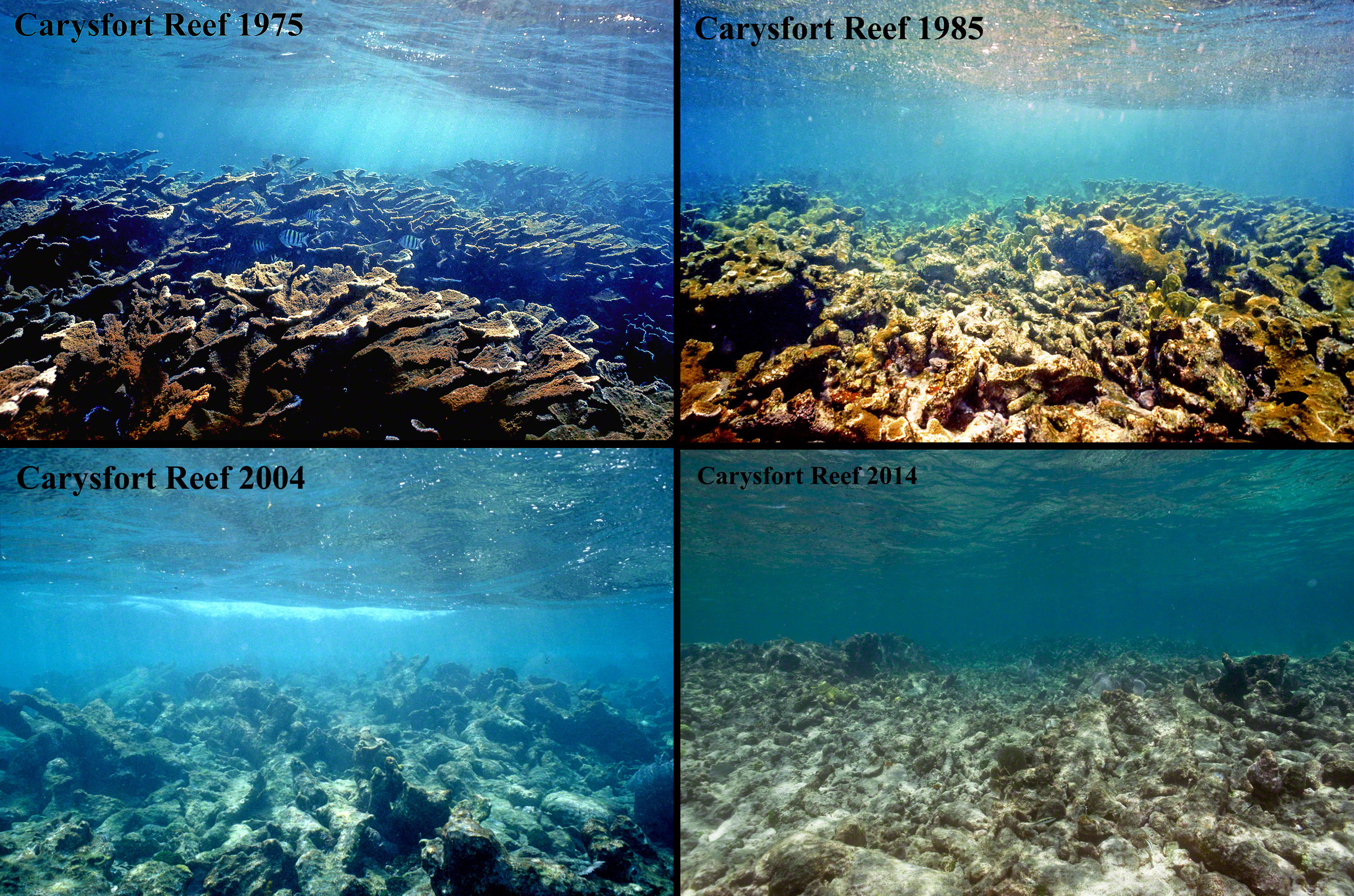
A dramatic time series of photos documenting the 95 percent loss of coral cover from Carysfort Reef, Key Largo, Florida since 1975. The photos capture the loss of a once thriving colony of elkhorn coral, Acropora palmata (Photos: Phil Dustan)

You wouldn’t know it from the colorful travel ads, but beneath the Caribbean’s sublime azure surface, the story of is one of utter mayhem.

A major report released earlier this year, the most comprehensive to date, puts it clearly and bluntly: Without swift and meaningful action, “Caribbean coral reefs and their associated resources will virtually disappear within just a few decades…” There has been an average decline of coral cover in the Caribbean of more than 50 percent since 1970.

The reefs I so delighted in as a teenager in the Florida Keys are today heartbreaking and unrecognizable. Live coral is estimated to be less than 20 percent of what it was in the early seventies when I first dove there. 

Statistics like these make it easy for one to abandon hope, and indeed, many have. The report states, “Concerns have mounted to the point that many NGOs [non-governmental organizations, nonprofit conservation organizations and funders] have given up on Caribbean reefs and moved their attentions elsewhere.” But Ocean Doctor hasn’t given up on the Caribbean — we’re in it for the long-haul, dedicated to restoring Caribbean coral reefs to their former glory. And we’ve found a new reason to be optimistic. Read more

https://oceandoctor.org/wp-content/uploads/2014/12/IMG_1032.jpg 799 1200 Ocean Doctor https://oceandoctor.org/wp-content/uploads/2015/04/Ocean-Doctor-Logo_w340.png Ocean Doctor2014-12-09 12:53:082015-04-14 12:24:39Why We Won’t Quit the Caribbean

OMG I Thought You Were Dead!

December 2, 2014/in Conservation, Cuba, Cuba Research & Conservation, Featured, Ocean Doctor's Reflections/by Ocean Doctor
Carysfort Reef 1975 to 2014

A dramatic time series of photos documenting the 95 percent loss of coral cover from Carysfort Reef, Key Largo, Florida since 1975. The photos capture the loss of a once thriving colony of elkhorn coral, Acropora palmata (Photos: Phil Dustan)

I shouted with euphoric joy through my regulator, 20 feet underwater. I can only imagine how wide my eyes were. It must have been difficult to discern between an expression of delighted surprise and a textbook example of wide-eyed diver panic. My eyes were transfixed on an old friend with a funny name whom I hadn’t laid eyes on in years. I had heard he was dead – or at least gravely ill. But there in front of me, larger than life, vibrant and embracing the sun, my friend was very much alive and healthy, clearly enjoying the good life in Cuba.

Several years earlier, I joined an expedition to explore a corner of the Gulf of Mexico I had only heard about from colleagues: The magnificent coral reef ecosystem of Veracruz, Mexico. Seated inside the DeepRover submersible with great anticipation for a vibrant reef that lay below me, I was lowered from the deck of a Mexican Navy ship into the warm blue waters below and radioed the ship that I was going to begin my descent.

Read the full post at EcoWatch.com

EcoWatch 


https://oceandoctor.org/wp-content/uploads/2014/12/Carysfort-1975-to-2014-square.jpg 1596 2412 Ocean Doctor https://oceandoctor.org/wp-content/uploads/2015/04/Ocean-Doctor-Logo_w340.png Ocean Doctor2014-12-02 09:34:552014-12-02 09:34:55OMG I Thought You Were Dead!

What Becomes of Cuba After the Embargo is Lifted?

October 19, 2014/in Conservation, Cuba, Cuba Research & Conservation, Featured, Ocean Doctor's Reflections/by Ocean Doctor
Goliath Grouper and Photographer

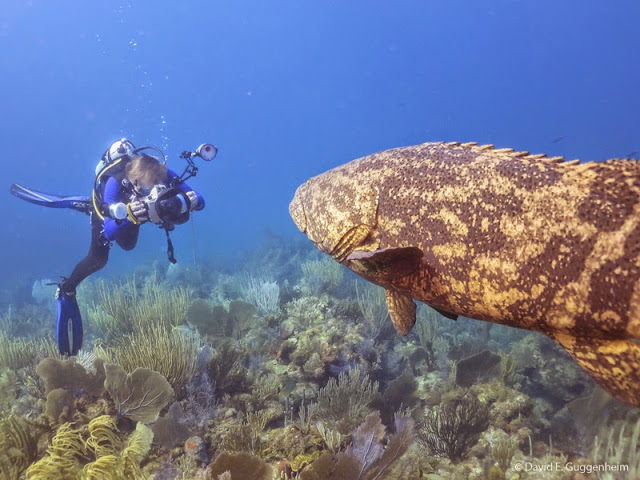
A Critically Endangered Goliath Grouper greets a tourist photographer in Cuba’s Gardens of the Queen National Park. Environmental economics demonstrated that conservation and ecotourism would result in more revenue than commercial fishing. (Photo: David E. Guggenheim)

When a foreigner sets foot in Cuba, it immediately becomes clear that this magical island is profoundly unique and has developed drastically differently than any other country in Latin America and the Caribbean. And for those who venture into its verdant mountains or below its aquamarine waves, a striking revelation awaits:  Just as the fifties-era Chevys and horse-drawn buggies portray an island seemingly frozen in time, so, too, do its exceptionally healthy and vibrant ecosystems illustrate that Cuba may have picked the perfect time in history not to follow the path of its neighbors. Indeed the past half century has seen a tragic and unprecedented decline in Caribbean coastal and marine ecosystems.

Read the full post at EcoWatch.com

EcoWatch


https://oceandoctor.org/wp-content/uploads/2014/10/IMG_0077.jpg 480 640 Ocean Doctor https://oceandoctor.org/wp-content/uploads/2015/04/Ocean-Doctor-Logo_w340.png Ocean Doctor2014-10-19 10:13:212014-10-19 10:20:19What Becomes of Cuba After the Embargo is Lifted?

Look Who’s on the Cover of Scuba Diving Magazine!

July 2, 2014/in Cuba, Cuba Research & Conservation, Featured, Travel Program/by Ocean Doctor
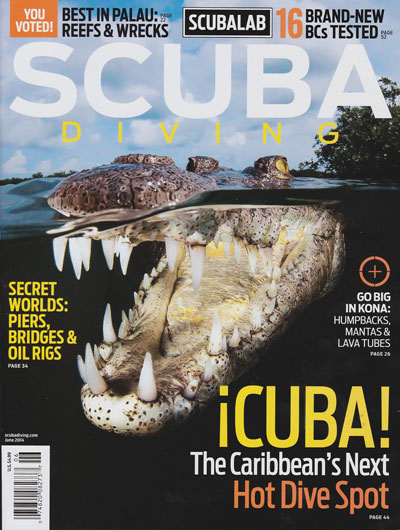
Ocean Doctor's Cuba Travel Program is the cover story in Scuba Diving Magazine

Ocean Doctor’s Cuba Travel Program is the cover story in Scuba Diving Magazine

That’s our pal, Niño the saltwater crocodile, adorning the cover of the latest Scuba Diving Magazine! We’re proud to say that the cover story feature’s Ocean Doctor’s unique educational travel programs to Cuba and the spectacular Gardens of the Queen. We’re also proud to say that Scuba Diving Magazine readers voted Gardens of the Queen “Best Marine Park,” and with good reason. It’s the Caribbean’s largest fully-protected marine park and its health and wildlife are unmatched in the region.

Want to join us? We have space for individuals and small groups on the following dates.

  • November 19-29, 2014 (Tortuga)
  • December 2014 (exact dates/vessel TBD)
  • April 29 – May 9, 2015 (Avalon II)

Learn more about our Cuba Travel Program and contact us if you’re interested in traveling with us for the luxury learning adventure of a lifetime.

Under a license from the U.S. Treasury Department, our program allows us to take U.S. citizens and residents on these trips legally.

Activities 

Read more

https://oceandoctor.org/wp-content/uploads/2014/07/SCUBA-DIVING_June-2014_COVER_IMG_20140526_0002.jpg 530 400 Ocean Doctor https://oceandoctor.org/wp-content/uploads/2015/04/Ocean-Doctor-Logo_w340.png Ocean Doctor2014-07-02 15:32:582014-07-24 15:57:41Look Who’s on the Cover of Scuba Diving Magazine!

Save Penguins and Threatened Wildlife at Earth’s Remotest Places

April 25, 2014/in Featured, Nightingale Island Disaster Penguin & Seabird Rescue, Tristan da Cunha, Nightingale Island, Inaccessible Island/by Ocean Doctor
[youtube gm_ijHoMZ6I 560 340]


Tristan da Cunha

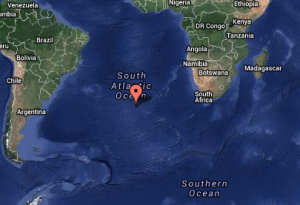
Tristan da Cunha, the world’s remotest inhabited island, is located in the South Atlantic

On March 16, 2011, a horrific environmental disaster occurred at the most remote inhabited island group in the world, Tristan da Cunha, that threatened the second largest concentration of seabirds in the world.

Marine scientist Dr. David E. Guggenheim, president of  Ocean Doctor, was aboard a ship that received a distress call from a Maltese freighter that had run aground at Nightingale Island. The catastrophic oil spill that ensued was captured on film, and Dr. Guggenheim has turned that footage into a film that explores this tragedy and others like it, as a warning signal and call to action to prevent future tragedies and prepare local managers for any that might occur.

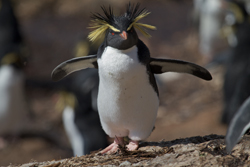
The beloved  Northern Rockhopper penguin has declined 90 percent over the past 50 years and is now an endangered species

The beloved Northern Rockhopper penguin has declined 90 percent over the past 50 years and is now an endangered species

Read more

https://oceandoctor.org/wp-content/uploads/2014/04/Disaster-at-Nightingale_Northern-Rockhopper-Penguin_Inaccessible-Island_by-Brian-Gatwicke_w250.jpg 167 250 Ocean Doctor https://oceandoctor.org/wp-content/uploads/2015/04/Ocean-Doctor-Logo_w340.png Ocean Doctor2014-04-25 00:09:302014-04-25 15:39:48Save Penguins and Threatened Wildlife at Earth’s Remotest Places

Hope Beneath the Bering Sea!

June 13, 2013/in Bering Sea Expedition, Featured, Ocean Doctor's Reflections/by Ocean Doctor
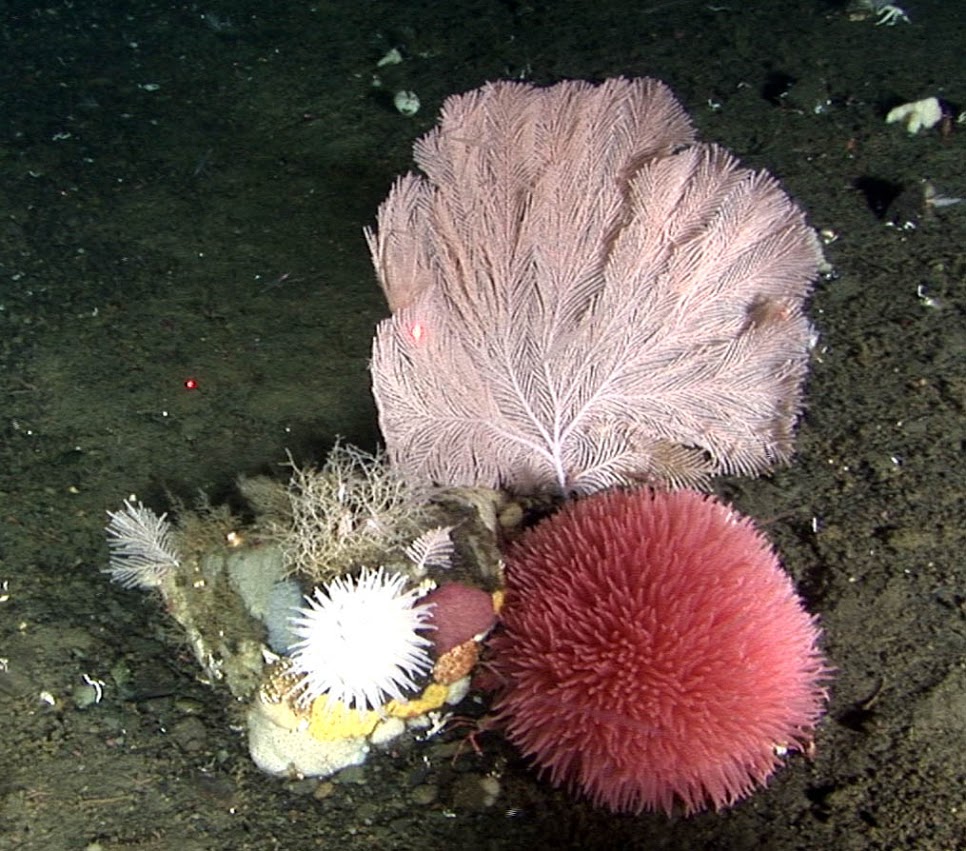
A beautiful cluster of deep-sea coral, byozoans, anenome and other delicate life below 1,000 feet in the Bering Sea's Pribilof Canyon

A beautiful cluster of deep-sea coral, byozoans, anenome and other delicate life below 1,000 feet in the Bering Sea’s Pribilof Canyon

Yesterday I received wonderful news from colleague and friend, John Hocevar at Greenpeace, who has been on the front lines in Juneau seeking protection for the world’s largest underwater canyons, both in Alaska’s Bering Sea: Zhemchug Canyon and Pribilof Canyon, the “Grand Canyons” of the sea.

According to John, “the [North Pacific Fishery Management] Council unanimously adopted motions for both short term and long term measures. First, they agreed to identify coral areas in the canyons and weigh options to protect them. Second, they will develop a Fishery Ecosystem Plan for the Bering Sea, with particular emphasis on the shelf break.“

Following eight days of often contentious hearings and tremendous pressure from powerful industrial fishing interests, this is very welcome news and exactly what our Greenpeace-led coalition had hoped for.

Over the weeks and months ahead our coalition will have a great deal of work to do helping ensure that the Council to follows through with strong measures that will ensure the health of the Bering Sea and the fisheries it sustains.

Our Ocean Doctor action alert set a new record for the number of responses. You added your voices to thousands around the world, and for that we are deeply grateful. And I am pleased to say that your voices were heard loud and clear. According to Greenpeace’s Jackie Dragon, Council member John Henderschedt thanked all who provided comments, saying “your voices are important to this process and they’ve been heard.” From all sources, more than 100,000 individuals submitted comments!

This victory is especially important as it underscores that the oceans represent the largest public trust in the United States, and not the exclusive domain of industrial fishing or any other commercial interest. They belong to and must be stewarded by all of us. You helped us make that point loud and clear, and for that, please accept my profound thanks.

Sincerely,
David Signature
David E. Guggenheim, Ph.D.
President, Ocean Doctor
Director, Cuba Conservancy
 

Learn More:

The Worst Thing I Ever Saw Underwater

Action Alert: Grand Canyons of the Bering Sea

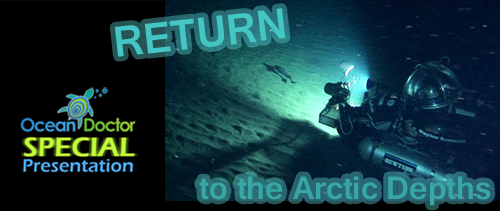
VIDEOS: Return to the Arctic Depths

BeringSeaCanyons.org (Greenpeace)

Spoiler alert: Fishery Council votes in favor of the Bering Sea (Greenpeace)

Return to Arctic Depths

https://oceandoctor.org/wp-content/uploads/2013/06/Dive-06-B01C0204-00053506-Coral-bryozoan-etc.jpg 851 966 Ocean Doctor https://oceandoctor.org/wp-content/uploads/2015/04/Ocean-Doctor-Logo_w340.png Ocean Doctor2013-06-13 11:25:392013-06-13 11:34:33Hope Beneath the Bering Sea!

The Worst Thing I Ever Saw Underwater (and Why it Matters This Week)

May 21, 2013/in Bering Sea Expedition, Featured, Ocean Doctor's Reflections/by Ocean Doctor
An enormous scar on the bottom of the Bering Sea's Pribolof Canyon at 1,000 feet left by a trawl net leaves a path of destruction miles long, having ripped corals, sponges and everything else in its path from the bottom. (Photo: David E. Guggenheim)

An enormous scar on the bottom of the Bering Sea’s Pribolof Canyon at 1,000 feet left by a trawl net leaves a path of destruction miles long, having ripped corals, sponges and everything else in its path from the bottom. (Photo: D. Guggenheim)

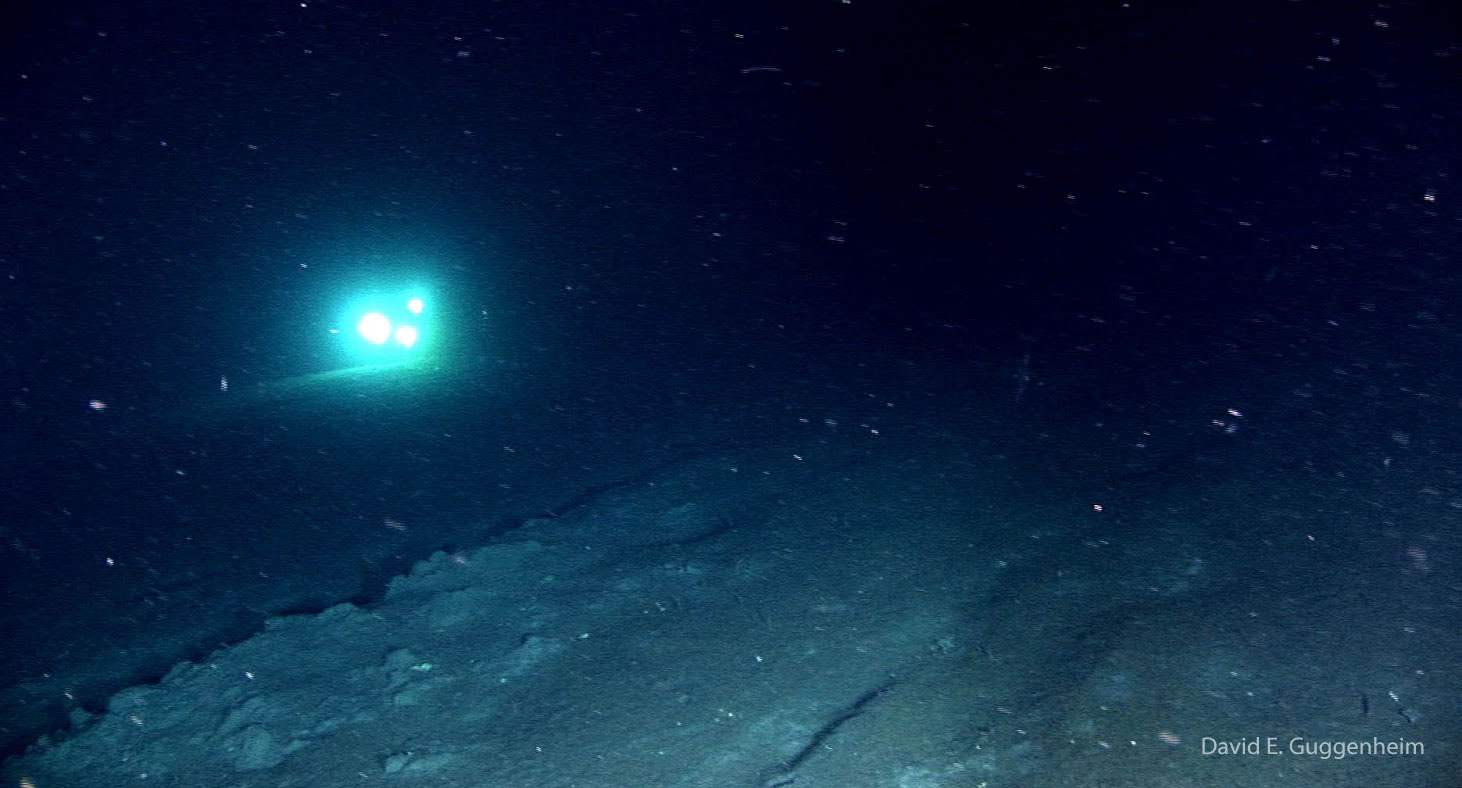
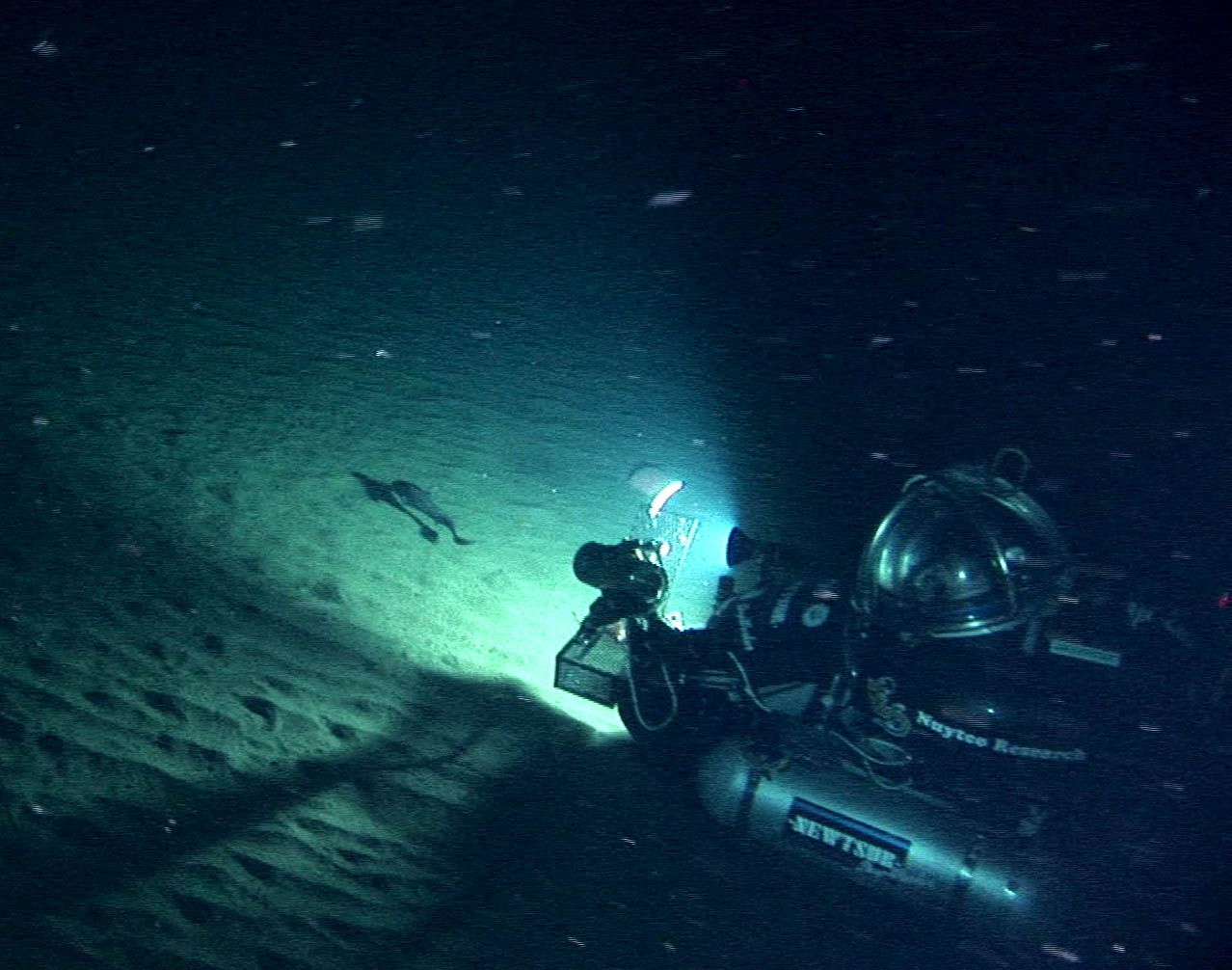
On Friday, August 3rd, 2007, I landed the Deepworker submersible at 1,052 feet in the second largest underwater canyon in the world, Pribilof Canyon in Alaska’s Bering Sea. In the distance, I saw the lights of the other submersible, piloted by Michelle Ridgway.

As we both sat on the bottom conducting life support checks and communicating with the Greenpeace ship, Esperanza above, I peered through the dome and saw something strange. I reported that I had landed on what appeared to be some sort of geologic stratification — unusual layers and grooves of sediment in parallel lines across my path. What in the world was this? We hadn’t seen anything like it. Read more

https://oceandoctor.org/wp-content/uploads/2013/05/Dive-11-B01C0105-00052115-Trawl-scar-DeepWorker-7.jpg 788 1462 Ocean Doctor https://oceandoctor.org/wp-content/uploads/2015/04/Ocean-Doctor-Logo_w340.png Ocean Doctor2013-05-21 19:21:522013-05-28 19:13:40The Worst Thing I Ever Saw Underwater (and Why it Matters This Week)

Action Alert: Grand Canyons of the Bering Sea

May 18, 2013/in Action Alert, Bering Sea Expedition, Featured, News, USA & Territories/by Ocean Doctor

Action Alert - Ocean Doctor


Protect the Bering Sea’s Grand Canyons

Background

In 2007, Greenpeace launched a groundbreaking expedition to explore the two largest underwater canyons in the world, in the heart of the Bering Sea. It was the first time manned submersibles ever entered these canyons and human eyes gazed directly upon their treasures. Ocean Doctor president, Dr. David E. Guggenheim served as a sub pilot and scientific consultant during the 2007 expedition. The expedition revealed an extraordinary tapestry of life thousands of feet below the surface, including beautiful, brightly-colored deepwater corals, sponges, anemones, octopus and fish and resulted the discovery of new species and species ranges. Read more

https://oceandoctor.org/wp-content/uploads/2007/08/Dive-16-B01C0407-00072010-Coral-Swiftia-pacifica.jpg 697 912 Ocean Doctor https://oceandoctor.org/wp-content/uploads/2015/04/Ocean-Doctor-Logo_w340.png Ocean Doctor2013-05-18 14:36:082015-04-12 17:35:30Action Alert: Grand Canyons of the Bering Sea

World Penguin Day 2013

April 11, 2013/in Featured, Nightingale Island Disaster Penguin & Seabird Rescue, South Atlantic Ocean, Tristan da Cunha, Nightingale Island, Inaccessible Island/by Ocean Doctor


World Penguin Day 2013 Read more

https://oceandoctor.org/wp-content/uploads/2013/04/World-Penguin-Day-2013-v2.jpg 389 1000 Ocean Doctor https://oceandoctor.org/wp-content/uploads/2015/04/Ocean-Doctor-Logo_w340.png Ocean Doctor2013-04-11 12:40:002013-05-04 17:09:07World Penguin Day 2013
Page 4 of 12«‹23456›»

Make a Difference

See Us On:

Book a Speaker!

Book Dr. David E. Guggenheim, the

Subscribe to Our Newsletter

* indicates required
Phone: +1 (202) 695-2476
Fax: +1 (202) 888-3329
Mailing Address:
P.O. Box 53090
Washington, DC 20009

Just Released: The Remarkable Reefs of Cuba: Stories of Hope from the Ocean Doctor by Dr. David E. Guggenheim, President of Ocean Doctor

© Copyright - Ocean Doctor
  • Link to X
  • Link to Facebook
  • Link to LinkedIn
  • Link to Youtube
  • Link to Instagram
  • Link to Pinterest
  • Link to Rss this site
Scroll to top Scroll to top Scroll to top